English


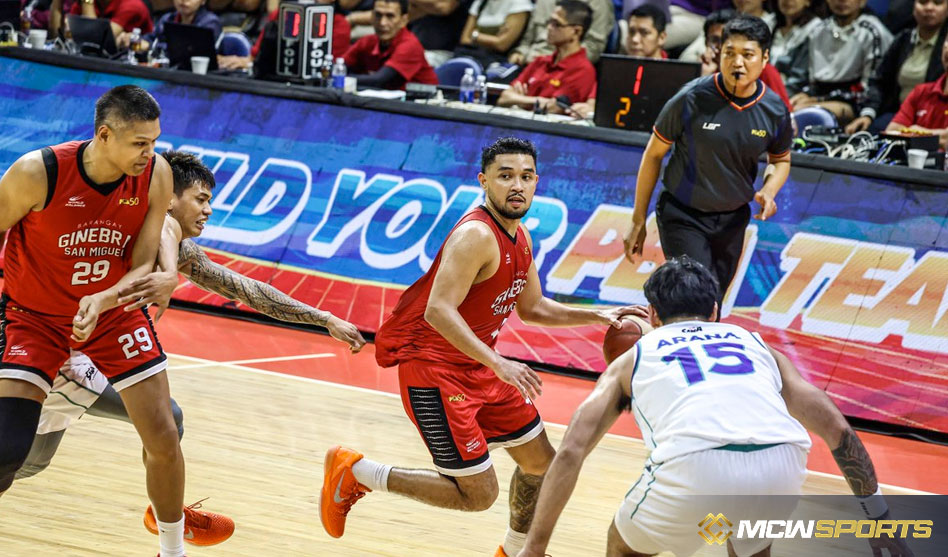
Basketball is a game of speed, skill, and emotion. When a match reaches its closing moments, intensity naturally rises as players fight for every possession. Physical contact becomes harder, decisions are made in split seconds, and tempers are often tested. In such situations, how a player reacts can leave a lasting impression. This was clearly seen in RJ Abarrientos’ response to a late flagrant foul by Concepcion, an incident he chose to treat with calm rather than controversy.
The foul occurred late in the game, a period when emotions are usually at their highest. A play like this can easily shift momentum, not only on the scoreboard but also in the mindset of the players involved. Many athletes might see such contact as disrespectful or intentional, leading to heated exchanges or visible frustration. Abarrientos, however, did not allow the moment to distract him. Instead of reacting emotionally, he remained focused on the game and trusted the officials to handle the situation.
This reaction highlighted Abarrientos’ maturity as a player. Choosing not to dwell on the foul showed that he understands the bigger picture of competition. Basketball, by nature, is physical, and not every hard play is meant to provoke. By accepting this reality, Abarrientos demonstrated emotional control, a quality that separates disciplined players from those who allow emotions to dictate their actions. His response suggested confidence in himself and in his ability to move forward without carrying unnecessary frustration.
Beyond personal discipline, Abarrientos’ approach also reflected leadership. Even without making a public statement or dramatic gesture, his calm demeanor sent a message to his teammates. Staying composed in tense situations helps a team remain organized and focused. When a key player reacts calmly, it reduces the chances of the entire group being affected by one incident. Abarrientos’ behavior helped maintain stability on the court during a critical stretch of the game.
The situation also emphasized the importance of sportsmanship. Basketball is a competitive sport, but respect between opponents remains essential. Hard fouls and aggressive defense are part of the game, yet they do not have to lead to hostility. By refusing to turn the foul into a personal issue, Abarrientos showed respect for both the opponent and the game itself. His decision helped prevent further tension and allowed the competition to continue without unnecessary conflict.
In today’s sports landscape, moments like these are often magnified. With social media and constant coverage, a single incident can quickly become a headline or spark online debates. Players’ reactions are scrutinized just as much as their performances. Abarrientos’ choice to downplay the foul shifted attention away from drama and back to basketball. Instead of adding fuel to discussions about conflict, he let his actions reflect professionalism and focus.
For younger players and fans watching, Abarrientos’ response carried an important lesson. Success in sports is not only measured by points scored or games won, but also by how one handles adversity. Learning to stay calm under pressure is a skill that takes time and discipline. By showing restraint, Abarrientos provided an example of how athletes can protect their mental focus and avoid situations that might hurt their team.
Ultimately, the late flagrant foul became a minor detail compared to Abarrientos’ reaction. What stood out was not the contact itself, but the way he chose to respond. His composure turned a potentially heated moment into a display of mental strength. In a sport where emotions often run high, Abarrientos proved that staying calm can be just as powerful as any physical play.
In the end, Abarrientos’ decision to pay no mind to Concepcion’s late flagrant foul reinforced the value of professionalism, focus, and respect. It reminded fans that true competitiveness does not always require confrontation. Sometimes, the strongest statement a player can make is simply staying composed and letting the game speak for itself.