English


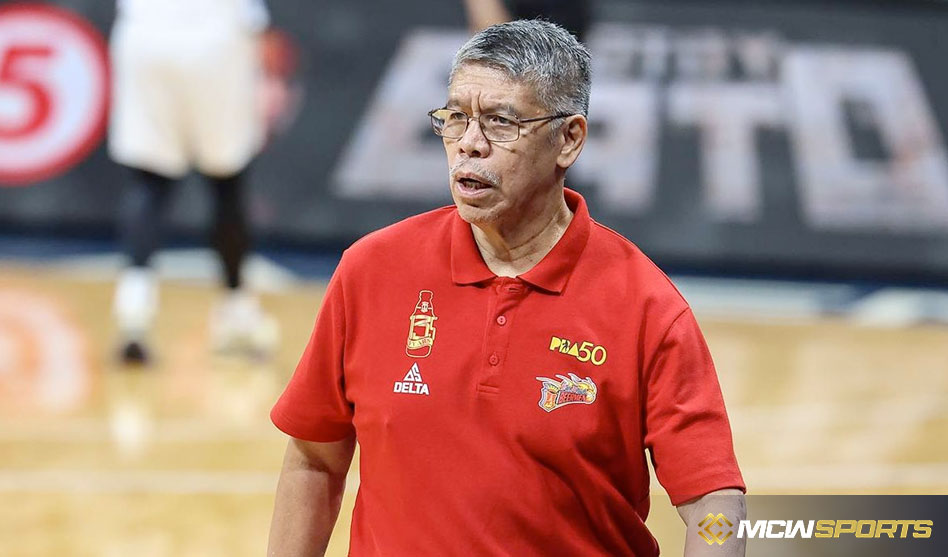
MANILA, Philippines – San Miguel Beermen great June Mar Fajardo has provided high praise for Magnolia coach Chito Austria, stressing Austria’s strategic acumen and basketball knowledge ahead of another key showdown between both franchises. In a league where tactical intricacy increasingly dictates outcomes, Fajardo’s compliment indicates great regard for an opposing coach whose game preparation and changes have regularly caused issues – not just for San Miguel, but for clubs across the PBA landscape. That mutual regard highlights how coaching acumen has become just as important to success as star power and individual skill as the Philippine Cup semifinals play out.
Following video sessions and squad meetings where San Miguel’s coaching staff thoroughly examined Magnolia’s methods, Fajardo made his remarks. It’s rare for star players to offer public praise for opponents, but Fajardo — a seasoned veteran with multiple championships and countless playoff battles under his belt — understands that acknowledging tactical mastery is not only insightful, but also reflective of the current competitive environment in the PBA.
Fajardo remarked, “Austria is really sharp.” “He understands his players, he knows how to attack weaknesses, and he makes the necessary adjustments during games. That makes coaching a major factor in a series like this.” His comments aren’t just platitudes; they are based on his personal encounters with Austria’s Magnolia teams, where San Miguel’s focused execution and keen in-game awareness have been necessary due to their varied defensive looks and offensive settings.
Austria’s coaching approach is notable because it combines structure with flexibility. Many teams fall into familiar routines when launching offense or rotating defensively, but Austria’s Magnus roster has demonstrated a willingness to alter strategies in real time. Against San Miguel, this has featured tactical rotations that mix man and zone concepts, clever pick-and-roll coverage, and careful tempo control meant to exploit mismatches or disrupt rhythm.
For Fajardo and his Beermen colleagues, understanding these improvements isn’t easy. Austria’s strategy doesn’t rely on a single ideology; it’s more of a toolkit that stresses adaptability. At times, Magnolia may trap aggressively in the half-court to entice turnovers, but in transition they may prioritize maintaining spacing to minimize mismatches. These nuanced alterations necessitate constant communication and exact execution, both of which San Miguel has been sharpening throughout this series.
Fajardo’s regard for Austria’s coaching mentality also relates to the progression of strategic basketball in the PBA. Gone are the days when mere talent or size could consistently dominate. Modern playoff basketball requires meticulous preparation, situational execution, and the ability to adapt on the fly — attributes that Austria’s teams have exhibited and that veteran players like Fajardo admire. In close games where performance down to the last possession matters, coaching becomes a multiplier of talent rather than a mere backdrop to exceptional exploits.
San Miguel’s preparation shows that awareness. Practices have increasingly concentrated on defensive rotations against Austria’s sets, scenario plays for late-game performance, and extensive assessments of how Magnolia’s lineups function in specific situations. This amount of preparation reflects a realization that understanding the opponent’s coaching habits — and anticipating their in-game alterations — is as vital as learning one’s own playbook.
For analysts and fans, Fajardo’s approbation adds another element to the narrative of this series. It underlines the concept that coaching matchups are more than talking topics; they are genuine variables in how games evolve. Opposing coaches continuously study patterns, rotations, and player behaviors to get an edge, but when that mental chess becomes public knowledge among players, the competitive environment increases.
Austria’s coaching acumen has not grown in a vacuum. It’s a reflection of years spent creating teams that can change under duress and perform with discipline. Whether inventing defensive strategies that disrupt rhythm, designing formations that maximize spacing, or making substitutes that affect game flow, his impact on Magnolia goes beyond X’s and O’s. It affects urgency, accountability, and general team confidence – elements that are crucial in playoff basketball.
Fajardo’s own progress as a player matches this change toward strategic thinking. His ability to analyze defenses, anticipate rotations, and alter his post play has made him a threat in numerous scenarios. When a player of his caliber publicly appreciates another coach’s ability to mold games, it conveys respect for the cerebral side of competitiveness – the side that often decides championships.