English


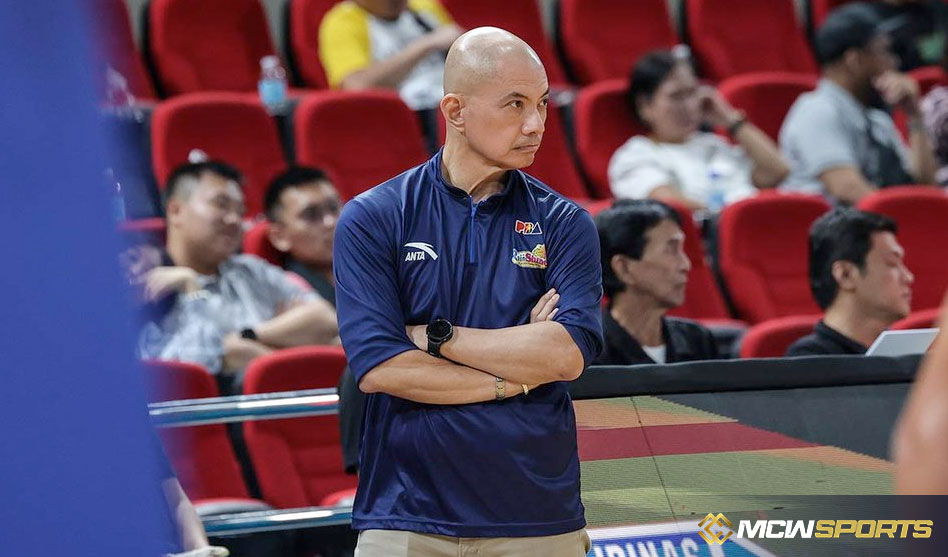
Veteran coach Yeng Guiao has raised concerns following a recent ruling by the Philippine Basketball Association to bar an import, calling attention to what he believes are issues of fairness and decision-making within the league.
Speaking after the announcement, Guiao expressed confusion over how the decision came about. For him, the bigger concern is not just the ban itself, but the reasoning and process behind it.
“It’s difficult to understand right away,” Guiao said. “You just want to know how decisions like this are made.”
The ruling has quickly sparked discussion around the league, particularly among teams that depend heavily on imports to compete. In many PBA conferences, imports play a central role in both offense and defense, making any sudden change a major adjustment for a team.
Guiao pointed out that teams spend significant time building their systems around these players. When an unexpected decision removes a key piece, it can disrupt not just rotations, but overall preparation and chemistry.
“You plan everything around your lineup,” he explained. “So when something changes without much warning, it affects the whole team.”
While the league has yet to release a detailed explanation, Guiao emphasized the importance of clarity. He believes that teams deserve a better understanding of decisions that directly impact their roster and performance.
Beyond clarity, he also raised the issue of consistency.
For Guiao, fairness means applying the same standards across all teams and situations. If similar cases are handled differently, it creates uncertainty and raises questions about how rules are enforced.
“You want to feel that everything is being handled the same way,” he said. “That’s important for everyone.”
The outspoken coach also touched on the responsibility of leadership, noting that decisions should not only follow rules but also be reasonable and well-communicated.
“It’s about judgment too,” he added. “People need to see that the decisions make sense.”
The development has drawn attention across the Philippine Basketball Association, with teams closely monitoring how the situation unfolds. While some have chosen not to comment publicly, the impact of the ruling is being felt beyond just one organization.
Despite his criticism, Guiao made it clear that his intention is to highlight concerns rather than create conflict. He stressed that everyone involved in the league ultimately wants the same thing—a fair and competitive environment.
“We all want the league to succeed,” he said. “That’s why these things matter.”
For a league with a long history and passionate following, moments like this often lead to broader conversations about governance and transparency. Decisions involving imports, in particular, tend to carry extra weight due to their importance in team performance.
Guiao, who has spent decades in the league, understands how much these situations can affect teams. His experience has given him a perspective that goes beyond a single game or result.
“You look at the bigger picture,” he said. “It’s not just about now, but how things are done moving forward.”
As of now, the league has not issued a detailed response to the concerns raised. Whether further clarification will be provided remains to be seen.
In the meantime, teams are left to adjust and move forward under the current ruling.
For Guiao, the message remains straightforward. He believes that decisions should be transparent, consistent, and carefully considered, especially when they directly affect players and teams.
“You just hope for decisions that are clear and fair,” he said.
As the situation continues to develop, the conversation sparked by Guiao’s comments is likely to remain part of the ongoing dialogue within the league.