English


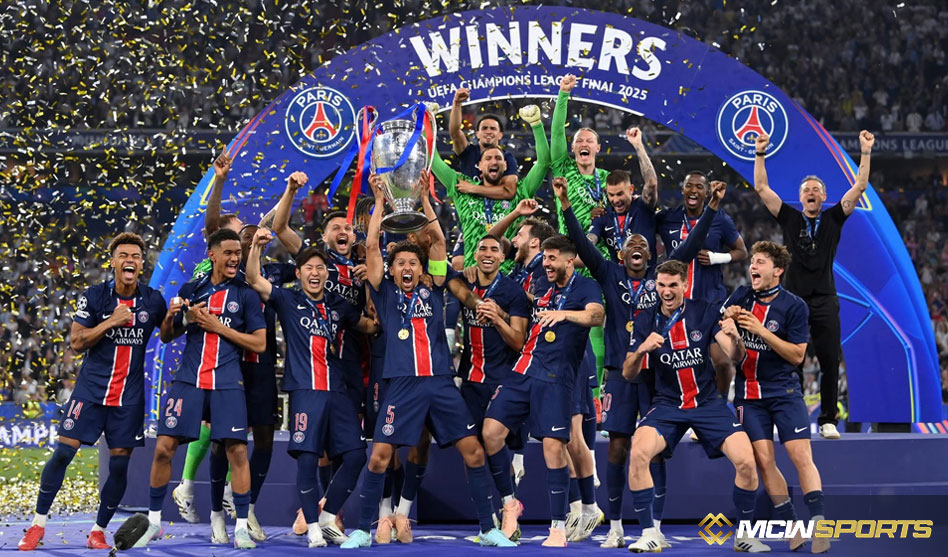
When the absolute titans of European football collide under the radiant lights of a continental showpiece, the encounter yields far more than a glittering piece of silverware. It offers a definitive, live blueprint of where the modern game is heading. The recent high-stakes UEFA Champions League final between Paris Saint-Germain and Arsenal served as a spectacular manifestation of this reality. Beyond the immense domestic pride and tribal celebration that echoed from London to Paris, this tactical chess match provided an advanced preview of the elite-level execution that will ultimately define the highly anticipated, revamped club championship ecosystem on the global stage.
The clash itself was an absolute masterclass in contrasting footballing philosophies, testing the absolute structural limits of both star-studded rosters. Under the meticulous tactical orchestration of their respective technical staffs, both clubs demonstrated why they currently sit at the vanguard of modern footballing evolution. From the opening whistle, the match unfolded not as a passive, cautious affair, but as a hyper-dynamic war of attrition characterized by suffocating high-pressing triggers, lightning-fast transitional sequences, and the continuous manipulation of spatial half-spaces.
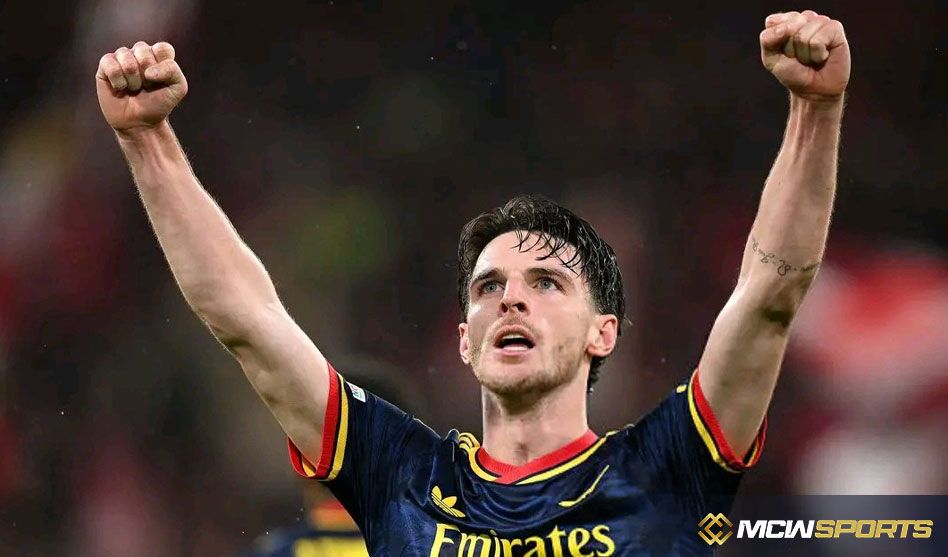
For Arsenal, the encounter showcased the absolute maturation of their collective identity. Operating with a rigid, disciplined defensive block that shifted horizontally with peerless synchronicity, the English powerhouse systematically choked out PSG’s preferred central passing corridors. The Gunners’ midfield pivot functioned as a destructive yet creative engine room, neutralizing the French champions’ multi-million dollar attacking threats before they could establish an offensive rhythm. When possession was successfully turned over, Mikel Arteta’s squad transitioned with a terrifying, vertical velocity, weaponizing their explosive young wingers to stretch the Parisian backline to its absolute breaking point.
Conversely, Paris Saint-Germain countered with the fluid, possession-based arrogance that has become their modern hallmark. Rather than panicking against Arsenal’s physical pressing schemes, Luis Enrique’s side relied on intricate, third-man combinations and elite individual technical superiority to play through the pressure. The Parisian frontline continuously rotated positions, ghosting between the lines to create artificial numerical overloads on the flanks. This relentless commitment to positional fluidity ensured that even when Arsenal appeared to have completely locked down the defensive parameters, PSG remained an omnipresent threat capable of manufacturing a clear-cut opportunity out of absolute chaos.
What elevated this specific final into an instant classic, however, was how both managers navigated the psychological shifting of gears during winning time. When physical fatigue began to expose minor structural gaps in the second half, the game transformed from a rigid tactical exercise into a raw test of competitive willpower and depth. The strategic deployment of high-impact substitutes completely altered the emotional momentum of the match, forcing both defensive units to adapt in real-time to entirely different physical profiles and attacking angles. It was a stark reminder that in the modern elite ecosystem, a starting eleven merely sets the baseline; it is the tactical flexibility of the entire squad that ultimately delivers championship glory.
As the dust settles on this historic European encounter, the broader footballing world is already looking toward the horizon. This grueling showcase of tactical sophistication, hyper-athleticism, and ruthless finishing serves as a direct warning shot to clubs across the globe. The standards of elite club football have been officially elevated to an unprecedented peak. The meticulous preparation, physical endurance, and mental resilience demonstrated by both PSG and Arsenal are the exact operational benchmarks that will be required to survive and conquer when the world’s absolute best clubs convene for FIFA’s modernized global tournament.
Ultimately, the match proved conclusively that traditional, simple ball dominance is no longer sufficient to guarantee success at the summit of the sport. The future belongs to the innovators—the squads that can seamlessly alternate between patient positional play and chaotic verticality without losing their defensive structural balance. Paris Saint-Germain and Arsenal have officially set the template, and as the countdown toward global club supremacy intensifies, the rest of the footballing hierarchy must either adapt to this terrifyingly fast evolution or risk being left permanently behind in the shadows.