English


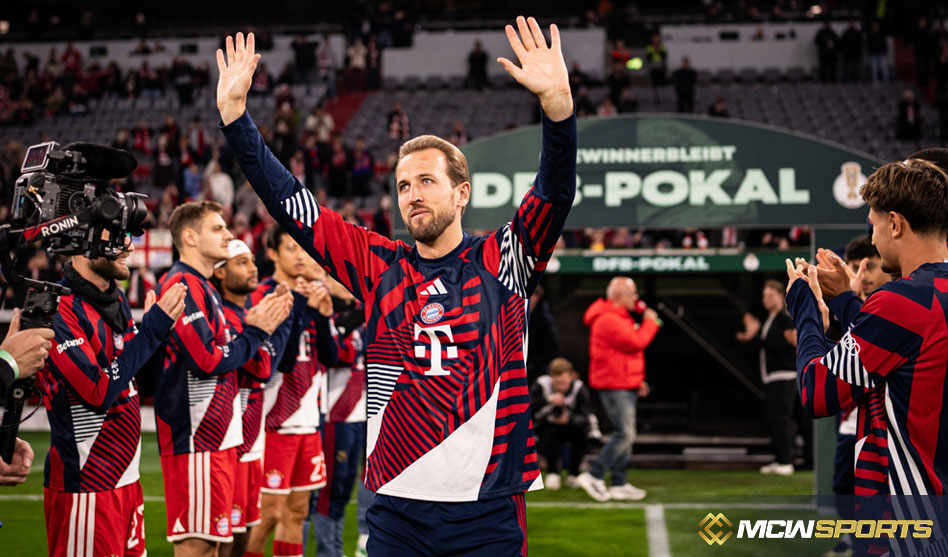
Vincent Kompany opted for an experimental and youthful starting XI as FC Bayern Munich welcomed 1. FC Magdeburg to the Allianz Arena for a crucial DFB-Pokal second-round clash. With a congested domestic and European calendar demanding heavy squad management, the Bayern boss handed rare starting berths to several emerging talents, setting up a thrilling cup tie that tested the depth of the Bavarian giants against a spirited Magdeburg side.
The tactical layout changed from weekend fixtures, with Jonas Urbig at the back and a defensive line of Josip Stanišić, Jonathan Tah, Hiroki Ito, and Nathaniel Brown. Konrad Laimer and youngster Tom Bischof anchored midfield, while Michael Olise, Ismael Saibari, Lennart Karl, and Serge Gnabry attacked the visitor’s backline. Harry Kane, Alphonso Davies, and Dayot Upamecano started the match on a star-studded bench.
As FC Bayern Munich hosted 1., Vincent Kompany tried a young, experimental starting lineup. FC Magdeburg at the Allianz Arena for a crucial DFB-Pokal second-round match. A busy domestic and European campaign required proactive squad rotation, so the Bayern manager gave several young players rare starts. The Bavarian powerhouses faced a disciplined, highly motivated Magdeburg team looking to pull off a historic cup shock in the knockout tie.
Unlike Bayern’s typical weekend lineups, Jonas Urbig played in goal and a reorganized defense of Josip Stanišić, Jonathan Tah, Hiroki Ito, and Nathaniel Brown was used. Konrad Laimer and technical prospect Tom Bischof played central midfield, while Michael Olise, Ismael Saibari, Lennart Karl, and Serge Gnabry formed an inventive attack. Harry Kane, Alphonso Davies, Dayot Upamecano, and Kim Min-jae were strong substitutes.
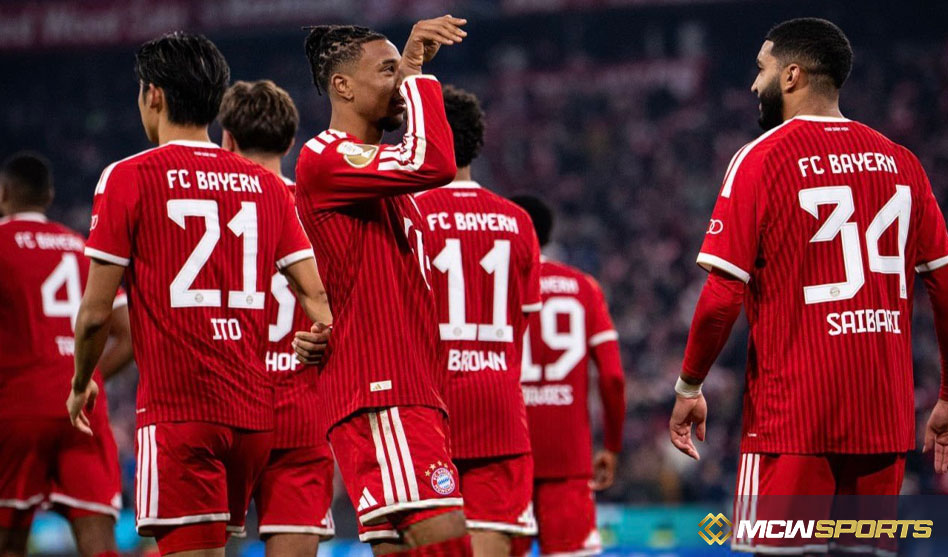
Bayern started quickly, dominating possession and scoring in 10 minutes. Ismael Saibari passed to Michael Olise, who finished clinically past Magdeburg goalkeeper Dominik Reimann with his trademark footwork after a quick right-channel combination. Five minutes later, visitors counterpunched. The new Bayern backline was weakened, allowing Magdeburg midfielder Felipe Chávez to pass to Mateusz Żukowski, who scored an equalizer to tie the score at 1-1.
Bayern’s long-term roster management and tactical evolution are shown by Kompany’s rotation strategy. Using Stanišić, Tah, Ito, and Brown as a back four emphasized secondary defensive chemistry. Insufficient competition with Hiroki Ito, Stanišić, and Brown caused early spacing issues during transition defense, despite Jonathan Tah’s aerial authority and composure. Magdeburg’s fast equalizer showed how hard it is to match Upamecano or Kim’s seamless defensive communication.In midfield, energetic Konrad Laimer and young talent Tom Bischof were effective. Laimer protected Bischof from opposition counters and let him show off his passing range. Bischof’s ability to operate under pressure in tight central pockets gave Bayern a fluid link between defense and attack, proving the club’s developmental pipeline can produce spellbinding moments. Ismael Saibari’s innovative assist for Olise in central attacking midfield showed his growing maturity as an alternative playmaker when senior stars need rest.
Moving Michael Olise and young prospect Lennart Karl on the wings emphasized Kompany’s fluid attack. Olise kept isolating defenders in 1v1 situations and producing elite final-third output. Karl’s energy and fearlessness on the other wing forced Magdeburg’s defensive block to stretch laterally. Bayern relied on quick combinations, wide overloads, and late box entries from midfield to replace Harry Kane, who provided target-man gravity. Serge Gnabry was a dynamic central focal point.
From a strategic perspective, Kompany’s willingness to field such an experimental lineup in a single elimination knockout competition carries calculated risks and significant rewards. Domestic cup fixtures represent volatile terrain, where underdogs frequently capitalize on chemistry gaps in heavily rotated squads. However, managing player fatigue across a long season that demands simultaneous success in the Bundesliga, the UEFA Champions League, and the DFB-Pokal leaves managers with no choice but to trust their extended roster. Resting key starters like Kane and Davies protects core assets from overexertion while providing crucial big match experience for squad players who will inevitably be called upon during crucial late-season fixtures.
Ultimately, the clash against Magdeburg served as a comprehensive barometer of Bayern Munich’s squad health and tactical flexibility under Kompany. While the defensive hiccups demonstrated that secondary pairings require time to develop absolute cohesion, the overall quality, technical speed, and individual talent on display reinforced Bayern’s immense organizational depth. As the multi-front campaign continues to intensify, the lessons learned and minutes logged by Bayern’s rotated lineup will prove invaluable in sustaining the club’s intense style across all domestic and European competitions.