English


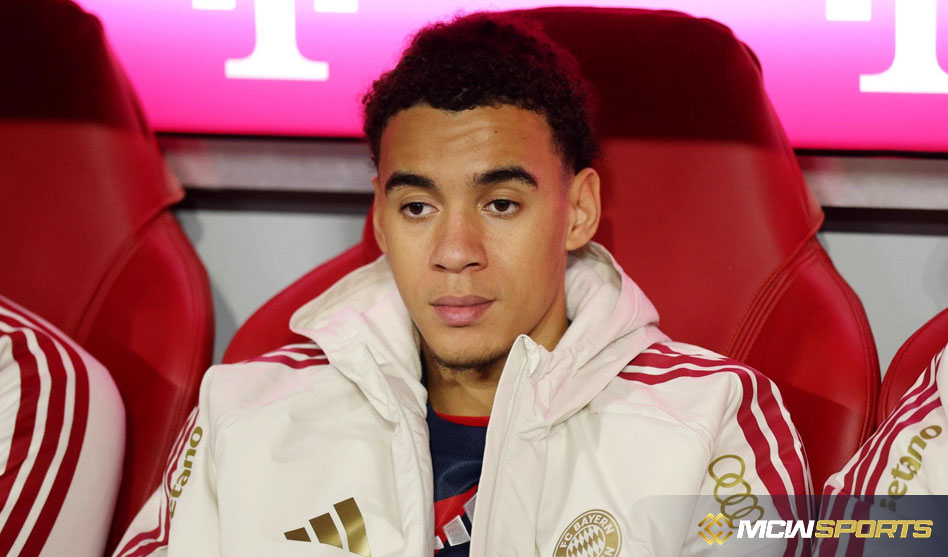
An escalating dispute between FC Bayern Munich and the representatives of attacking midfielder Jamal Musiala has drawn widespread scrutiny across German and international football following conflicting reports regarding an alleged informal understanding between both parties. At the center of the controversy is the lucrative contract extension that the twenty three year old Germany international signed in February 2025, which ties him to the Bavarian club until June 2030 and carries a base annual salary of approximately twenty five million euros, potentially exceeding thirty million euros with performance bonuses. As Musiala works to overcome ongoing medical challenges and regain peak physical condition, sharp disagreements have surfaced over whether his management ever consented to modify those financial terms.
According to reports that were published in the German newspaper Süddeutsche Zeitung, senior officials within Bayern Munich maintain that honorary president Uli Hoeneß met with Musiala agent Christian Schmid at Hoeneß’s residence near Lake Tegernsee some time during the summer. It has been reported by sources within the club that during that private gathering, two verbal agreements that are not legally binding were established. As part of the first point, Bayern Munich made a commitment to provide Musiala with comprehensive medical and institutional support in order to assist him in returning to the excellent level of athletic performance that he demonstrated when he signed his extension. In accordance with the second point, club insiders assert that both parties agreed to revise the contract in favor of Bayern Munich in the event that he was unable to recover his previous level of play due to medical disruptions such as absence seizures or severe side effects from prescribed medication.
However, a starkly different account of that same summer meeting has emerged from reporting by Sky Germany journalist Florian Plettenberg. According to sources close to the player agency, the August encounter between Hoeneß and Musiala representatives took place in a cordial and constructive atmosphere, yet no concrete assurances or verbal commitments regarding any future salary reduction or contract modification were ever made. From the perspective of Musiala camp, managing complex medication regimens and adapting physically at the highest tier of professional sport requires patience that can span many months, making any premature attempt to alter a binding employment contract entirely unjustified.
Tensions spilled into the public sphere following pointed remarks from supervisory board member Karl Heinz Rummenigge and chief executive officer Jan Christian Dreesen, who publicly questioned the financial viability of maintaining top tier wages if health complications limit the midfielder availability. Reports indicate that Rummenigge public commentary was sanctioned during a recent supervisory board meeting as part of a deliberate strategy to apply external pressure on the player advisors to return to the negotiating table. While the existing contract already includes appearance related clauses capable of reducing total compensation below twenty million euros if match participation drops significantly, club executives appear eager to secure more substantial structural adjustments given the remaining duration of the deal.
The public nature of the standoff has triggered strong backlash from football observers, fellow professionals, and international player representatives. The global players union FIFPRO issued a formal statement condemning the attempt to reopen a valid agreement, emphasizing that injuries, health complications, or temporary fluctuations in sporting output do not grant employers the right to demand unilateral contract revisions. Within Munich, club president Herbert Hainer and Dreesen have subsequently attempted to soften the rhetoric, reiterating that Musiala will receive every necessary resource and sufficient time to complete his recovery without undue distraction.
Not too long ago, Musiala made a positive step forward on the field by making his return to competitive action as a substitute in the seventieth minute of Bayern Munich’s Bundesliga match against 1. FC Koln, marking his first appearance after being sidelined for approximately two months after suffering an injury. A cloud of unease hangs over the Allianz Arena, however, as the gap between the expectations of the boardroom and the protections afforded to players continues to widen. In light of the fact that neither party has demonstrated a willingness to compromise on the existence or validity of the purported summer understanding, the relationship between the leadership of Bayern Munich and one of the club’s most talented academy graduates is going to be put to the test in the coming months.