English


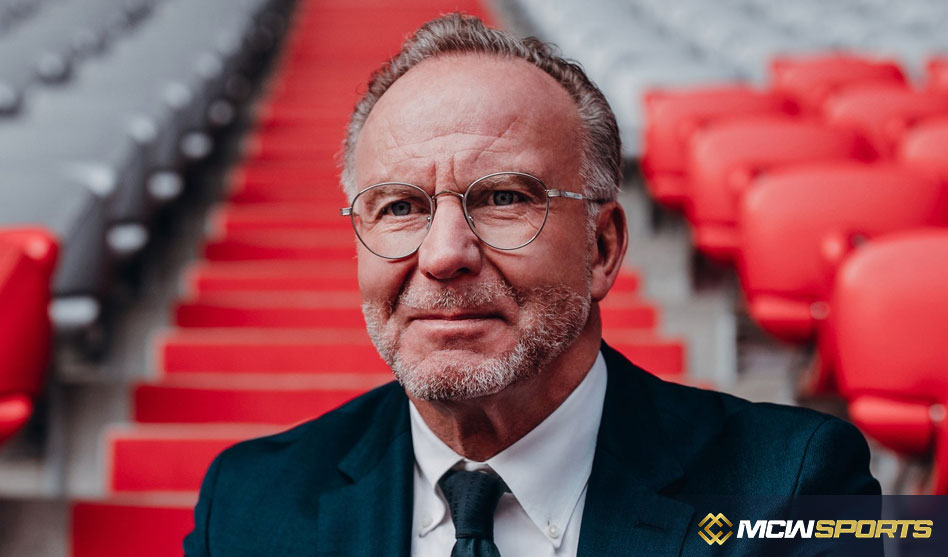
FC Bayern Munich supervisory board member Karl-Heinz Rummenigge has publicly confirmed his refusal to support the contract extension for board member for sport Max Eberl. Speaking candidly in an interview with German media outlet Abendzeitung, the long serving club icon disclosed that he abstained during the decisive board vote. His admission exposes rare high level tension at Säbener Straße, breaking the tradition of unanimous board endorsements.
The decision followed months of debate regarding Bayern’s strategic direction and sporting leadership structure. While the supervisory board eventually approved Eberl’s new deal running through 2029, Rummenigge deliberately broke ranks with fellow heavyweights Uli Hoeneß and president Herbert Hainer. His abstention highlights an ongoing ideological rift among the powerful figures overseeing the German giant.
A Deliberate Act of Resistance
Rummenigge explained that his choice was carefully considered rather than an emotional reaction. He revealed that he wrestled with the decision right up until the formal assembly.
“I thought long and hard about whether I should vote ‘No’ on the contract extension with Max,” Rummenigge told Abendzeitung. “It was only during the meeting that I decided to abstain. I stand by that decision. For me it was important to make my decision independently. I did not want to allow myself to be prejudiced by a recommendation made beforehand”.
His statements point directly to frustration over how board recommendations were presented prior to the vote. Reports suggest Rummenigge bristled at public assurances made by Uli Hoeneß, who had previously indicated that Eberl’s extension was essentially guaranteed. By abstaining, Rummenigge sent a clear message that he refuses to function as a rubber stamp for decisions pushed ahead by the executive committee.
Friction Behind the Scenes
The public fallout raises questions about operational alignment within Bayern’s top decision making body. Rummenigge made no secret of his dissatisfaction with administrative processes leading into the meeting. He acknowledged that he voiced his specific concerns internally before the ballot was cast.
Critical viewpoints regarding Eberl’s tenure center around squad planning, wage restructuring, and high profile transfer sagas. While head coach Vincent Kompany has delivered immediate success on the pitch, aspects of the sporting management continue to draw scrutiny from conservative board members. Rummenigge’s willingness to go on record underlines his intention to hold sporting executives to rigorous standards.
The episode also highlights a distinct shift in the dynamic between Rummenigge and Hoeneß. For decades, the duo governed FC Bayern in total harmony, building the foundation for modern dominance. Today, their contrasting management philosophies are creating visible fissures in boardroom proceedings.
Long Term Stability vs Governance Scrutiny
Despite Rummenigge’s skepticism, Bayern Munich has locked in its core leadership team. Contracts for head coach Vincent Kompany, CEO Jan-Christian Dreesen, sporting director Christoph Freund, and Max Eberl all run through 2029. On paper, this establishes long term administrative stability across every sporting branch.
However, symbolic votes at this level carry immense political weight. An abstention from a figure of Rummenigge’s stature ensures that Eberl operates under continuous pressure. Future decisions regarding squad building, player extensions, and budget allocations will face uncompromising oversight.
Moving forward, Eberl must balance his transfer strategy with the strict fiscal expectations of the supervisory board. On field victories offer temporary relief, but internal political harmony will require constant diplomatic effort. As Bayern navigates a demanding season, all eyes remain fixed on how this boardroom divide influences future club policy.
Further Insight
This dynamic sets up an intriguing administrative backdrop as FC Bayern Munich navigates its modern competitive era. The decision by Karl-Heinz Rummenigge to withhold his vote underscores the deep-seated standard of institutional accountability that defines Sabener Strasse. While the supervisory board ultimately secured continuity by extending Max Eberl’s contract through 2029, internal debate will inevitably persist regarding strategic priorities, transfer spending, and longer term roster construction.
For Eberl, navigating this political landscape requires maintaining a delicate balance between squad modernization and conservative fiscal management. While Vincent Kompany continues to deliver dominant results on the pitch, every major decision in upcoming transfer windows will face heightened scrutiny from senior board figures. Rummenigge’s public posture serves as a constant reminder that executive longevity at Bayern Munich depends strictly on sustained silverware and meticulous operational execution. As the club targets domestic and European dominance, this delicate governance balance will remain a key storyline behind the scenes.