English


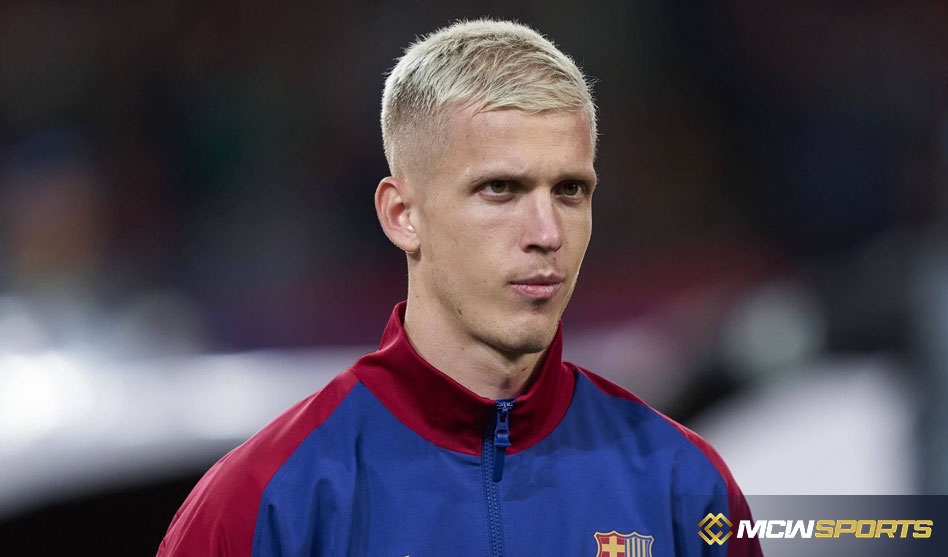
FC Bayern Munich has ruled out any midseason attempt to sign FC Barcelona forward Dani Olmo, pouring cold water on circulating international media reports suggesting an imminent January transfer raid. Initial speculation originated from external reports claiming the German champions were preparing a blockbuster seventy million euro bid to secure the twenty eight year old Spanish international. However, internal sources within Säbener Straße and leading domestic outlets have swiftly clarified that Bayern management holds no intention of pursuing Olmo during the upcoming winter window.
While board member for sport Max Eberl remains a documented admirer of Olmo’s technical profile, Bayern’s current squad hierarchy renders a marquee midseason splash in central creative areas entirely unnecessary. Head coach Vincent Kompany currently oversees one of the most prolific, versatile attacking units in European football, leaving no structural urgency for short-term midseason recruitment.
Structural Surplus Behind the Striker
The fundamental obstacle facing any potential move for Olmo centers on Bayern’s surplus of world-class options occupying central playmaking roles. Headlining the position is Jamal Musiala, alongside dynamic summer addition Michael Olise, who continues to drive creative output across domestic and continental fixtures. Furthermore, Moroccan international Ismael Saibari has integrated seamlessly since arriving from PSV Eindhoven, providing immediate goal contributions and tactical elasticity in central attacking spaces.
The current composition of FC Bayern Munich’s attacking department illustrates why a midseason transfer for Dani Olmo remains completely impractical. At the heart of Vincent Kompany’s tactical setup sits Jamal Musiala, who operates as the primary creative catalyst and main ball progression engine. Flanking him is Michael Olise, whose elite isolated dribbling threat and vision from wide right areas give the squad a second world class playmaking axis. To reinforce central attacking depth, the club added Ismael Saibari from PSV Eindhoven, providing dynamic press resistance and direct box to box goal contributions during rotational periods. Finally, Nathaniel Brown offers tactical elasticity as an inverted asset capable of slotting into central midfield zones when building out from the back.
Together, these structural assets give Kompany complete coverage across central and interior half-spaces without relying on external recruitment. Musiala’s ability to drive through central blocks pairs seamlessly with Olise’s capacity to isolate defenders on the wing, creating spaces for secondary runners. Meanwhile, Saibari provides verticality and tactical insurance during dense fixture schedules, ensuring that intensity never dips when primary starters rest. Brown’s tactical adaptability further enhances in-game fluidity by allowing Bayern to switch to an inverted build-up structure effortlessly. Because every asset fulfills a distinct, complementary profile, introducing a costly profile like Olmo would simply crowd central channels, strain the wage bill, and disrupt an already thriving tactical ecosystem.
Beyond primary starters, Bayern boasts exceptional depth with Serge Gnabry, emerging talent Lennart Karl, and even full-back Nathaniel Brown, who demonstrated notable adaptability operating in central advanced positions during preseason fixtures. With multiple premier assets competing for minutes behind Harry Kane, introducing another costly central playmaker would disrupt squad balance without providing a clear tactical upgrade.
Financial Realities and Tactical Focus
From a financial perspective, sanctioning an astronomical midseason package for a player under long-term contract at Barcelona presents significant administrative friction. Olmo’s current agreement in Catalonia extends through 2030, ensuring Barcelona retains complete control over valuation leverage. Bayern’s executive board continues to enforce strict fiscal discipline, prioritizing sustainable wage structures over redundant marquee additions.
Should the Bavarian heavyweights choose to re-enter the transfer market during future windows, scouting operations will focus on specific structural needs rather than central midfield stacking. Recruitment personnel have identified long term flank depth as a higher strategic priority, specifically seeking dynamic natural wingers capable of providing high level coverage alongside Luis Diaz on the left wing.
Unless an unforeseen injury crisis alters internal timelines, Bayern Munich plans to navigate the upcoming winter window with complete stability. The club remains entirely confident that Kompany’s existing roster possesses the requisite balance, depth, and tactical firepower to maintain a relentless pursuit of domestic and European silverware.