English


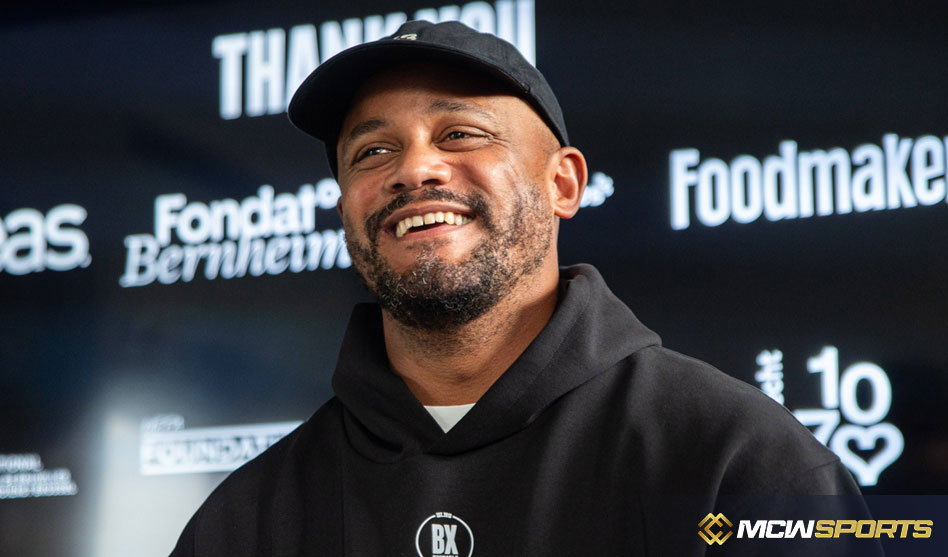
FC Bayern Munich enters a pivotal phase of its seasonal campaign, managing on-field execution alongside long term roster planning. Under head coach Vincent Kompany, the Bavarian side has implemented an aggressive pressing model that commands structural discipline across every position. As competitive pressure mounts across domestic and continental fronts, the sporting hierarchy at Säbener Straße continues to evaluate structural adjustments to sustain elite performance levels while modernizing the overall squad profile.
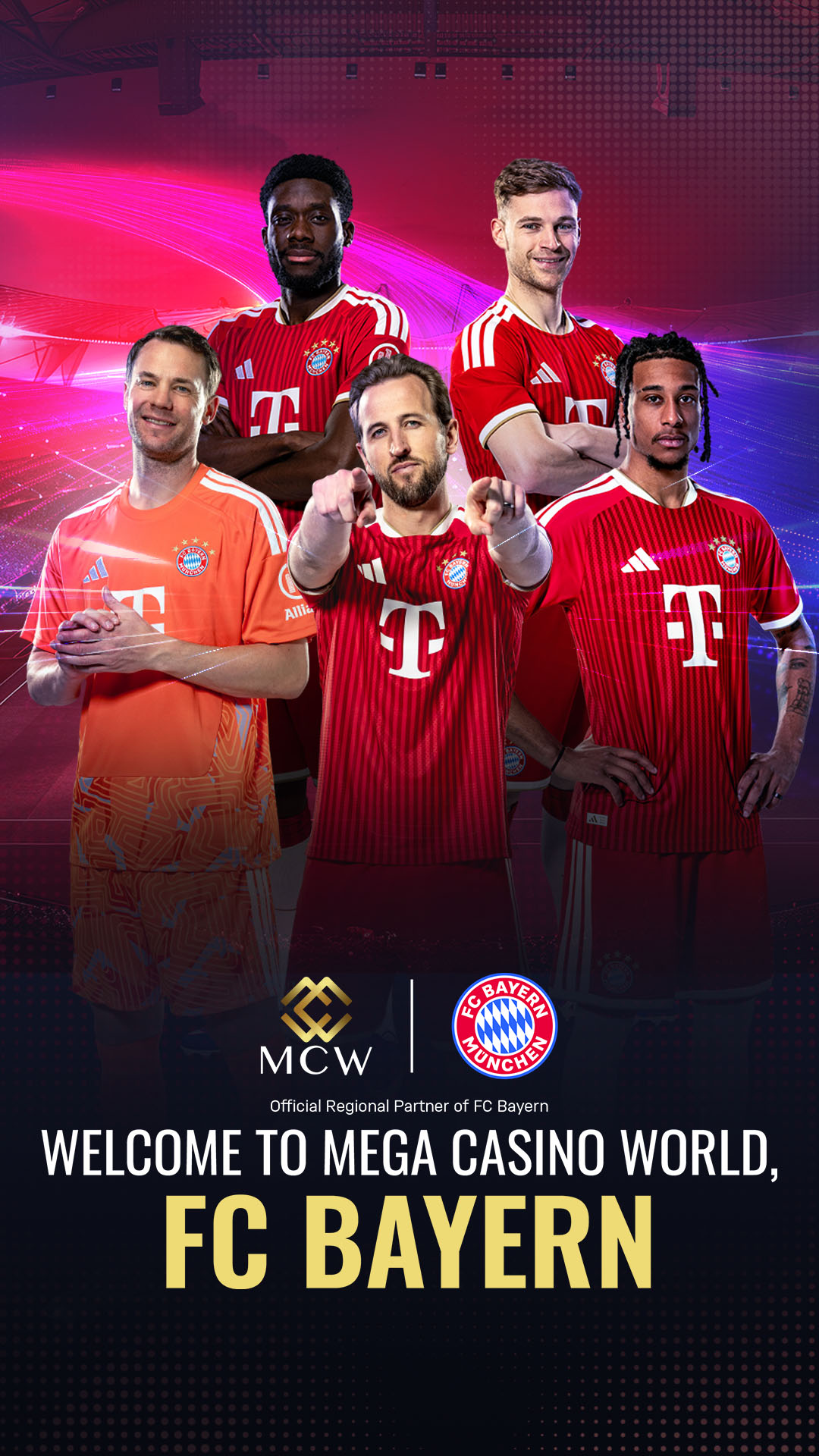
The primary driver behind Bayern’s recent success rests on the rapid tactical alignment within the first team squad. Kompany’s strategic system requires central defenders to operate near the halfway line while demanding relentless work rate from wingers and central midfielders. This approach has unlocked devastating offensive output, allowing key focal points like Harry Kane, Jamal Musiala, and Michael Olise to operate with maximum creative freedom. However, sustaining this level of physical intensity across a dense calendar requires precise squad rotation and tactical flexibility.
Tactical Fluidity and Squad Depth
Maintaining structural balance remains essential as Bayern navigates high-stakes fixtures. The technical staff has prioritized rapid counter-pressing triggers to neutralize opposition transition threats before they reach the defensive third. Central midfielders act as distribution anchors, controlling the tempo while recycling possession to sustain continuous attacking waves. This tactical setup ensures that Bayern maintains territorial dominance against low defensive blocks.
The team’s tactical framework centers on three distinct operational pillars designed to secure absolute control over the match. High line pressing serves as the defensive foundation, featuring Dayot Upamecano and Jonathan Tah pushing high to suffocate opponent buildup early and minimize counter-attacking transition opportunities.
Complementing this defensive pressure is an intricate interior combination play executed by Harry Kane, Jamal Musiala, and Michael Olise. By operating fluidly within central half-spaces, this attacking trio breaks down compact defensive blocks to systematically generate high-probability scoring chances.
Finally, midfield recycling provides the necessary structural anchor through Joshua Kimmich and Aleksandar Pavlović. Occupying vital central zones, they dictate tempo, dictate game pace, and recycle possession to maintain continuous territorial dominance.
Together, these synchronized tactical roles create a balanced system that allows Bayern Munich to dominate territory, limit defensive vulnerability, and sustain relentless offensive momentum across all ninety minutes.
Rotational depth plays a critical role in preserving this high-energy framework. Secondary contributors and emerging prospects are increasingly integrated into matchday squads to absorb valuable minutes during routine league fixtures. This strategic management prevents key starters from suffering burnouts before crucial knockout matches in European competition.
Financial Planning and Roster Evolution
Beyond immediate matchday results, sporting executives are actively executing a broader financial and recruitment strategy. The club hierarchy remains committed to streamlining the overall wage bill while securing elite talents capable of elevating the starting eleven. Ongoing contract negotiations with core leaders are evaluated under a strict framework designed to maintain long term financial stability without sacrificing competitive edge.
Scouting operations have expanded globally, targeting dynamic profiles that fit Kompany’s demanding physical and technical parameters. The recruitment department seeks left footed central defenders and multi-positional attackers who offer ball resistance, speed, and recovery instincts. By identifying high potential prospects early, Bayern aims to avoid inflated bidding wars while continually refreshing the squad hierarchy.
This dual focus on tactical refinement and fiscal responsibility defines the modern era at Säbener Straße. With leadership aligned across management and coaching staffs, Bayern Munich remains firmly positioned to defend its domestic dominance while challenging for top honors on the continental stage.
The team’s tactical framework centers on three distinct operational pillars designed to secure absolute control over the match. High line pressing serves as the defensive foundation, featuring Dayot Upamecano and Jonathan Tah pushing high to suffocate opponent buildup early and minimize counter attacking transition opportunities.
Complementing this defensive pressure is an intricate interior combination play executed by Harry Kane, Jamal Musiala, and Michael Olise. By operating fluidly within central half-spaces, this attacking trio breaks down compact defensive blocks to systematically generate high-probability scoring chances.
Finally, midfield recycling provides the necessary structural anchor through Joshua Kimmich and Aleksandar Pavlović. Occupying vital central zones, they dictate tempo, dictate game pace, and recycle possession to maintain continuous territorial dominance.
Together, these synchronized tactical roles create a balanced system that allows Bayern Munich to dominate territory, limit defensive vulnerability, and sustain relentless offensive momentum across all ninety minutes.