English


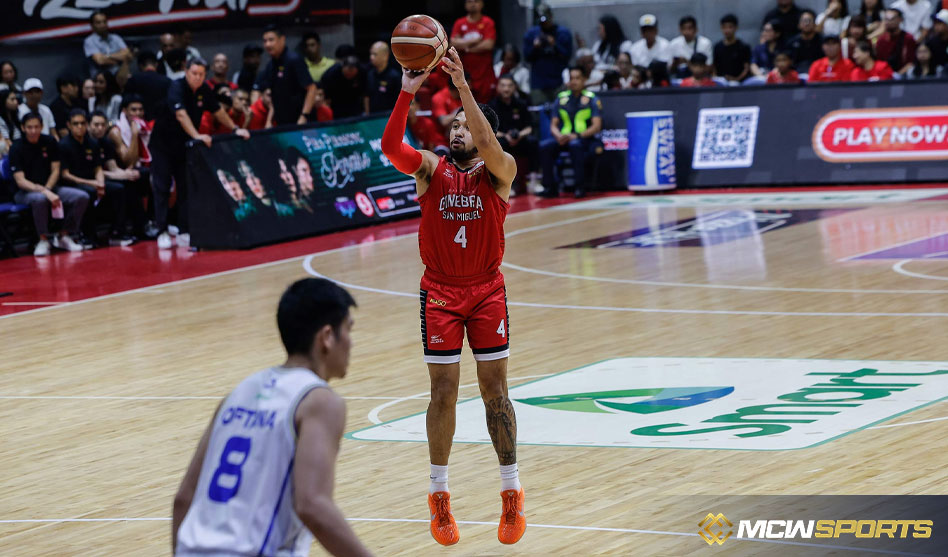
Veteran coach Tim Cone has built a reputation as one of the most successful tacticians in Philippine basketball history, but his fiery sideline demeanor has also become part of his legacy.
That intensity was once again put under the spotlight after cameras caught Cone passionately berating young guard RJ Abarrientos during a recent game. The moment quickly circulated on social media, prompting discussions among fans about the coach’s demanding style and whether the public exchange was necessary.
However, longtime followers of the Philippine Basketball Association (PBA) know that Abarrientos is far from the first player to experience Cone’s trademark sideline outbursts.
Over a coaching career that spans more than three decades, Cone has been known to hold every player accountable, regardless of stature, experience, or star power. From seasoned veterans to rising stars, many of the league’s biggest names have found themselves on the receiving end of a stern lecture from the multi-titled coach.
Former players who thrived under Cone have often spoken about his high standards and relentless pursuit of excellence. While his animated reactions can appear harsh in the heat of competition, several players have credited the coach’s demanding approach for helping them reach new levels in their careers.
During his championship runs with Alaska, Purefoods, Barangay Ginebra, and the national team, Cone frequently challenged his players publicly and privately. Even established stars were not exempt from criticism when they failed to execute the game plan or made costly mistakes.
That philosophy has remained unchanged despite the evolution of the game and the changing dynamics between coaches and players. For Cone, accountability has always been central to building winning teams.
Abarrientos’ recent experience serves as another example of the coach’s belief that young players must be pushed to maximize their potential. The rookie guard has shown flashes of brilliance this season and has become an important piece of his team’s rotation. With increased responsibility, however, comes heightened expectations.
Following the incident, many observers pointed out that Cone’s reaction was not necessarily personal but rather a reflection of the competitive environment in professional basketball. Coaches often make split-second decisions and express frustration during crucial moments when emotions run high.
Several former Cone players have shared similar stories over the years, recalling moments when the coach raised his voice during games only to offer encouragement and guidance afterward. Many described those exchanges as part of the learning process rather than signs of conflict.
The coach himself has repeatedly emphasized that his criticisms are directed at improving performance, not attacking players personally. His lengthy record of success suggests that many athletes have responded positively to his methods.
Cone remains the winningest coach in PBA history, with numerous championships and accolades to his name. His ability to develop talent and maintain competitive teams has earned him respect throughout the basketball community, even among those who have experienced his toughest moments.
For Abarrientos, the viral sideline exchange may ultimately become a valuable lesson rather than a defining moment. Many of the stars who came before him endured similar confrontations and emerged stronger players because of them.
As the young guard continues his development, the incident serves as a reminder that playing for one of the sport’s most demanding coaches comes with challenges. Yet history has shown that Cone’s toughest words are often reserved for the players he believes can achieve the most.
In that sense, Abarrientos joins a long list of PBA standouts who have heard Tim Cone’s voice rise during a game — and who later discovered that those intense moments were often part of a larger journey toward growth and success.