English



Former professional basketball player and analyst Chris Tiu recently shared his honest assessment of a key in-game decision, saying he believes import Allen Dickey might have been capable of continuing despite suffering an apparent injury. His remarks have since fueled discussion among fans and observers about the balance between competitiveness and player safety.
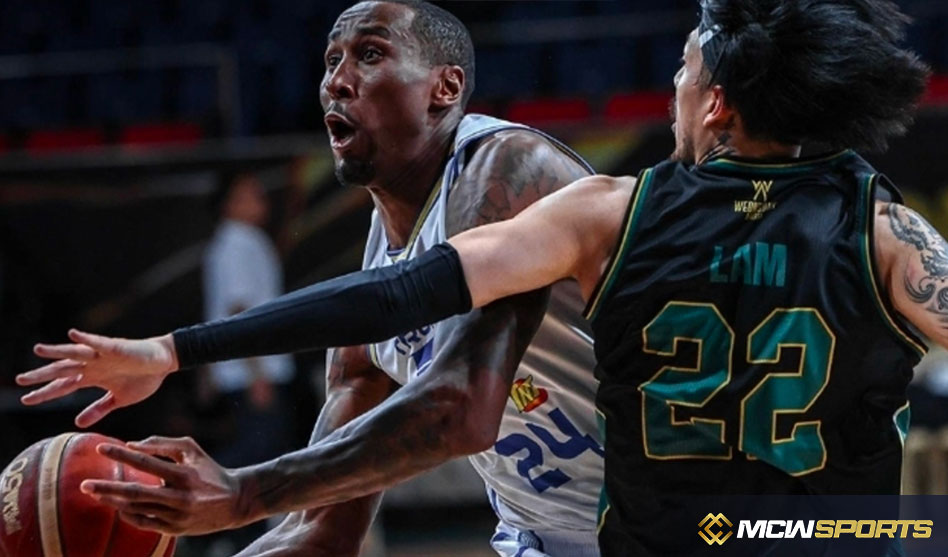
Dickey exited during a crucial point in the game after appearing to sustain a lower-body issue. Up to that moment, he had been playing a significant role, contributing on both offense and defense. Once he left the court, his team noticeably lost rhythm, struggling to replicate the impact he had been providing. The coaching staff ultimately chose to keep him sidelined, prioritizing caution over risk.
Speaking after the game, Tiu offered his perspective based on what he saw unfold. He suggested that, from a purely observational standpoint, Dickey may have been able to stay on the floor and continue contributing, even if not at full strength.
“In situations like that, you think about how important each possession becomes,” Tiu explained. “A player of his caliber can still influence the game, even when he’s not at his best.”
However, Tiu also made it clear that his opinion was not meant to override medical judgment. He acknowledged that decisions regarding injuries are complex and are best handled by professionals tasked with evaluating a player’s physical condition in real time. Team doctors and trainers, along with the coaching staff, must weigh immediate competitive needs against the potential long-term consequences of aggravating an injury.
His comments reflect a viewpoint often associated with athletes from earlier eras, when playing through discomfort was widely seen as part of the game. For many competitors, staying on the court despite pain is considered a demonstration of commitment and mental toughness. Yet in today’s sports environment, there is a stronger emphasis on protecting players from further harm, supported by advances in medical research and injury prevention.
Dickey’s absence underscored how vital he was to the team’s overall performance. Before leaving the game, he had been active in scoring opportunities and defensive coverage, helping maintain balance on both ends. Without him, the team struggled to sustain its level of play, leading some to wonder whether keeping him out was the right call given the circumstances.
Tiu acknowledged that such judgments are always easier to make after the fact. He noted that while players naturally want to remain in the game, especially during critical moments, the risks involved cannot be ignored.
“You never want to see a situation where an injury gets worse because someone pushed too hard,” he said. “At the same time, you know athletes—they always want to compete and help their team.”
The team has stood by its decision, emphasizing that Dickey’s health was the primary concern. Initial reports indicate that he will undergo further evaluation to determine the severity of the injury and how long he may need to recover. No official timeline has been announced regarding his return.
Medical professionals generally advise caution when dealing with injuries that affect movement, particularly those involving the legs. Even seemingly minor issues can escalate if a player continues to exert pressure without proper recovery. This approach reflects a broader shift in sports culture, where long-term health is increasingly prioritized over short-term gains.
For supporters and analysts, the situation highlights the ongoing tension between competitive drive and responsible decision-making. While some fans admire the idea of playing through pain, others recognize the importance of preventing more serious setbacks that could sideline athletes for extended periods.
Tiu’s remarks have added nuance to the conversation, offering insight into how former players might interpret such moments differently from medical staff or coaches. His perspective does not necessarily suggest that the decision was wrong, but rather illustrates how many factors come into play during high-pressure situations.
In the end, whether Dickey could have continued playing remains uncertain. What is certain is that these types of decisions will always invite debate, particularly when they occur at critical junctures of a game. As teams continue to navigate these challenges, the emphasis remains on finding the right balance between striving to win and ensuring the well-being of their players.