English


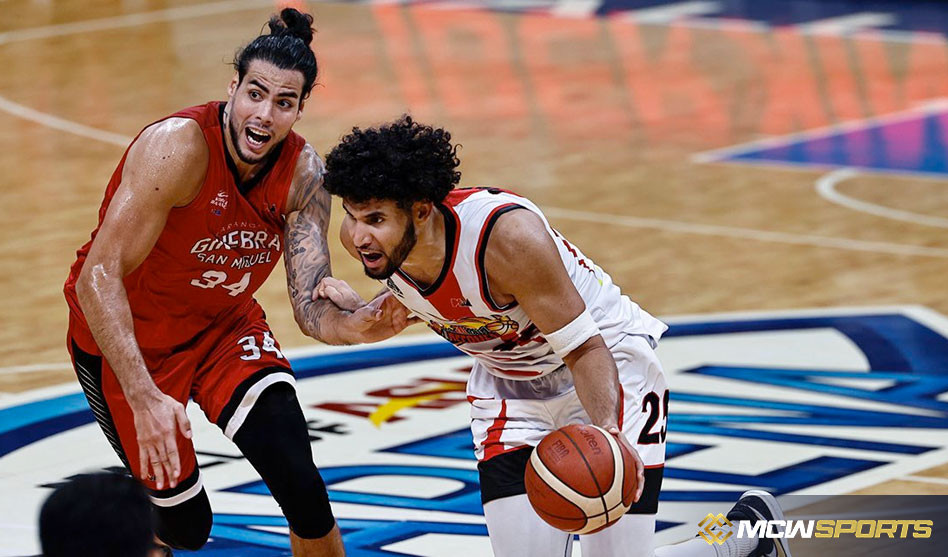
The move to grant Justin Boatwright Philippine citizenship has officially advanced to the Senate after receiving approval from the House of Representatives, bringing the high-scoring import one step closer to becoming eligible for national team duty.
The House’s approval signals strong support for Boatwright’s naturalization, but the process is far from complete. The proposed measure will now undergo scrutiny in the Senate, where it will be reviewed at the committee level before potentially heading to plenary debates and voting. Only after Senate approval and the President’s signature can Boatwright formally become a Filipino citizen through legislative action.
If the process is completed, Boatwright would qualify to represent Gilas Pilipinas in international competitions. Under FIBA rules, each national team is allowed one naturalized player, making the selection of that athlete a critical strategic decision.
Boatwright has built a strong following during his time in the Philippine Basketball Association, where he has consistently showcased his scoring ability and versatility. Known for his offensive firepower, he can score in isolation, attack the rim, and knock down shots from long range. Beyond scoring, he contributes with rebounding and defensive presence — traits that are highly valued in the faster, more physical international game.
Supporters of his naturalization point to his consistent performance and professionalism as reasons he would be a strong addition to the program overseen by Samahang Basketbol ng Pilipinas. For the national federation, securing the right naturalized player is not just about talent but also about fit. Chemistry, adaptability, and commitment to the program are equally important factors.
The Senate’s involvement now becomes crucial. During committee hearings, lawmakers are expected to examine Boatwright’s background, qualifications, and potential contribution to Philippine basketball. Legislative naturalization is a formal process that requires thorough evaluation, and senators may raise questions about both short-term gains and long-term development strategies for the sport.
Naturalized athletes have played key roles in past international campaigns, often filling specific gaps that complement homegrown talent. In basketball, where height, athleticism, and versatility can determine outcomes against global powerhouses, the presence of a strong naturalized player can significantly influence performance.
Boatwright’s playing style could provide flexibility for the national coaching staff. His ability to function as a scoring forward who can stretch the floor allows teammates more room to operate. He is also capable of taking on defensive assignments against bigger opponents, which is often necessary in regional and world tournaments.
Timing will be another important consideration. International competitions require months of preparation, including training camps and exhibition games designed to build cohesion. Should the Senate act swiftly on the bill, Boatwright could join the national pool early enough to develop familiarity with the team’s system and players.
The advancement of the bill also underscores the country’s continued investment in basketball excellence. The Philippines has long treated the sport as more than just a pastime; it is deeply embedded in communities across the nation. Legislative efforts to support the national team reflect a broader desire to remain competitive on the international stage.
At the same time, the discussion around naturalization often sparks debate. Some observers emphasize the importance of strengthening grassroots programs and cultivating local talent. Others argue that naturalized players serve as complementary pieces who help bridge competitive gaps while homegrown athletes continue to develop. Ultimately, the goal remains the same: to field the strongest possible team in global competitions.
For Boatwright, the opportunity carries both promise and responsibility. Representing a national team is a significant honor, and if the measure becomes law, he would take on the task of contributing not only through performance but also through leadership and professionalism.
With the House approval secured, the focus now shifts to the Senate. The outcome of its deliberations will determine whether Boatwright’s path toward wearing the national colors becomes a reality. Until then, fans, players, and officials alike will watch closely as the legislative process unfolds.
The journey toward naturalization is a formal one, but its potential impact extends far beyond paperwork. Should the Senate ultimately approve the measure, Boatwright could soon find himself playing under a different flag — carrying the hopes of a basketball-loving nation eager to compete at the highest level.