English


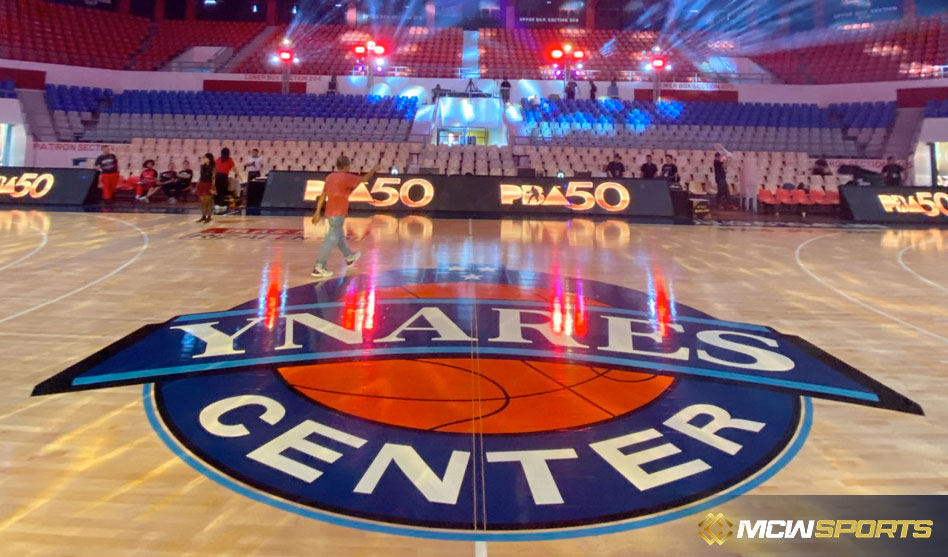
MANILA, Philippines – Not all basketball rivalries are based solely on names and rankings. They are occasionally framed by narratives that delve deeply into a team’s past, unresolved issues, and psychology. That is precisely the story that is developing as the PBA Philippine Cup playoffs present us with an exciting series that many have already dubbed Repeat vs. Revenge at Ynares Center, Antipolo. While one side strives for atonement and the opportunity to change recent history, the other team tries to maintain its dominance from the previous year.
This matchup isn’t your usual postseason matchup. It’s a clash of momentum, memories, and motivations. One team arrives with self-assurance based on prior achievements, thinking they have the championship blueprint and expertise to keep them going. However, the opponent has absorbed the hurt of losing and is now seeking retribution, not just for the defeat but also for the story it conveys: unresolved pride, unfinished business, and a resurgence of competitive fervor.
The ideal environment for this encounter is created by the Ynares Center, Antipolo. This location has seen thrilling moments, boisterous audiences, and suspenseful endings. The supporters have demonstrated a readiness to support intensity, emotion, and energy that may feel like a sixth man during momentum swings because they understand the stakes. The scoreboard becomes a part of the drama as two teams step into the stadium eager to leave their mark on the playoffs.
This series is unique not only because of the skill on the floor but also because of the surrounding intangible context. When the chips are down, the team that aims to repeat knows exactly what it takes to prevail. They comprehend key possessions, late-game play, and the mental toughness needed to overcome hardship. In high-stress situations where every possession matters, their prior expertise at the final table cannot be understated.
The retaliation squad, however, has its own internal fuel. They have analyzed movies, pointed out lost and poorly managed chances, and used their annoyances to improve their work. Not as a cliche, but as a strategic compass—a justification for tempering emotion with focus—the coaching team has leaned into the narrative. They want this series to be more than simply a game; they want it to be a statement that growth, preparation, and execution can change the course of events and that past performance does not dictate future results.
This matchup’s tactical layers increase the intrigue. The repetition team typically uses controlled spacing, planned sets, and a balanced scoring approach that finds rhythm in the movement and execution of the ball. They can withstand pressure without collapsing because they are disciplined, rotate with intention, and clearly communicate duties.
The retribution squad, on the other hand, has embraced violence, originality, and unpredictable behavior. They attack closeouts quickly, thrive in transition, and try to throw off defensive balance by creating mismatches. This attacking mindset frequently results in highlight plays and keeps defenses honest, but it also necessitates accuracy because excessive aggression can lead to weaknesses if it is not restrained.
Basketball is fundamentally a matchup and momentum game. Rebounding and perimeter defense appear to be the main areas of emphasis in this series. Second-chance points and late pushes following misses may be restricted by the repeat team’s length and experience on the boards. The retribution team’s speed and agility, meanwhile, could result in scoring bursts that quickly alter the course of the game.
Additionally, the coaching strategy will be crucial. How well either side can take advantage of the other’s tendencies will depend on the adjustments made in between quarters, such as how pick-and-rolls are defended, how rotations react to motion offenses, and when to switch versus when to hedge. Such subtleties frequently have a greater impact on results than final score totals in do-or-die playoff basketball.
The players themselves have both individual and group motivations. Experienced players understand that postseason basketball is a different animal, requiring more mental and physical effort than what got them here. Younger players, on the other hand, view this series as an opportunity to solidify their position in franchise history—to be recognized for significant contributions that change a team’s course rather than just for fleeting moments.
On social media, fans have already started exchanging forecasts, data, and historical comparisons. Supporter groups can shift early momentum by painting faces, raising banners, filling arenas early, and making noise. There will be more going on than simply basketball when the first tip is dropped. It will be about each team’s unique story, pride, and legacy.
Repeat vs. Revenge’s storyline is straightforward on the front yet complex on the inside.