English


The Allianz Arena stands in a state of nervous anticipation as Bayern Munich navigates one of the most testing physical crises of its recent campaign. Following a grueling 2-2 draw with Borussia Dortmund in the Klassiker, Vincent Kompany and his technical staff find themselves scrambling to piece together an attacking unit ahead of a crucial UEFA Champions League journey to the Spanish capital. At the center of the tactical dilemma is talismanic French winger Michael Olise, whose recent knee issue has thrown the club’s continental preparations into sudden confusion.
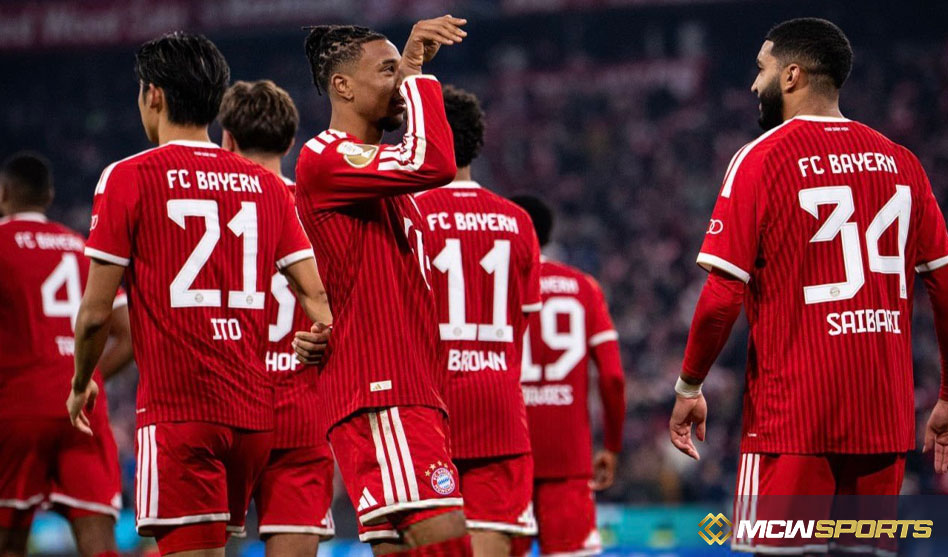
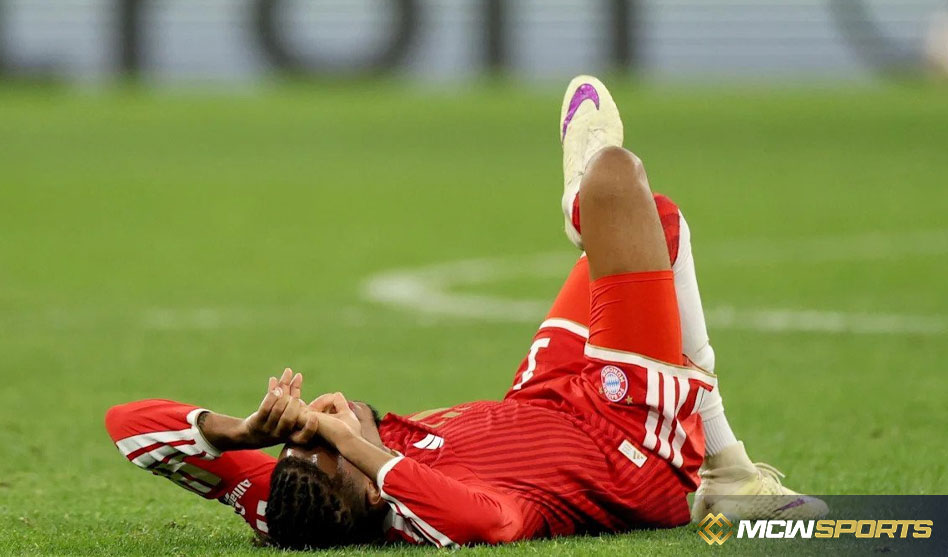
The dramatic events unfolded on a chaotic evening in Munich. While the scoreline ultimately reflected a shared pair of points against their fierce domestic rivals, the real damage occurred in the treatment room. Ismaël Saibari was forced off following a reckless collision with opposing goalkeeper Gregor Kobel, later spotted departing the stadium on crutches. Shortly after, Serge Gnabry pulled up sharply, clutching his leg in clear distress. Olise gritted his teeth and soldiering through large chunks of the contest before eventually signaling to the bench with his hands over his face, complaining of sharp pain in his right knee.
Initial examinations at the club’s training ground offered a glimmer of cautious optimism compared to the more severe muscle diagnoses handed down to Saibari and Gnabry. Reports originating from French media outlets indicate that Olise is scheduled to undergo rigorous medical evaluations to determine whether the joint stability permits travel to Madrid. Bayern’s medical department faces a delicate tightrope walk. Rushing a generational playmaker back onto the pitch before he is fully recovered risks transforming a minor scare into a long-term absence.
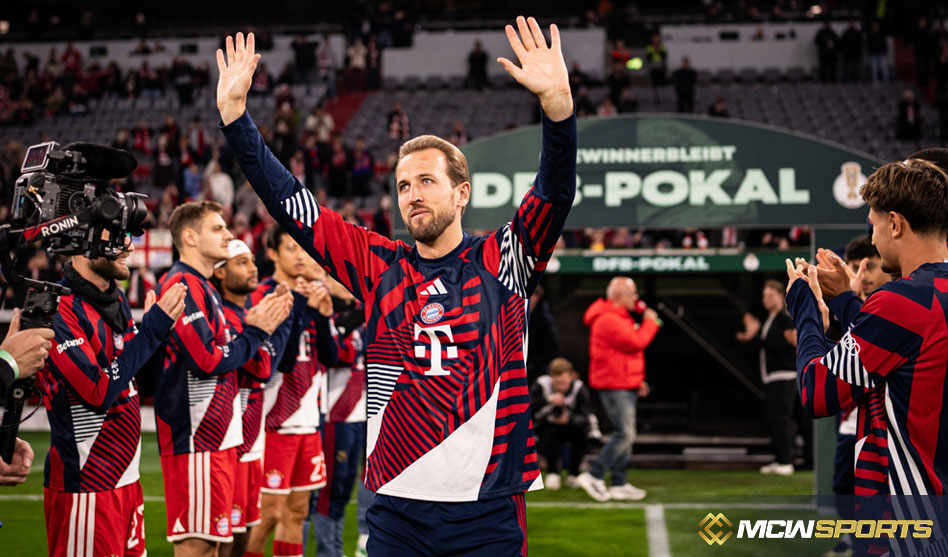
The timing could hardly be worse for the Bundesliga leaders. With long term absentees Jamal Musiala and Luis Díaz already sidelined, the sudden attrition leaves Harry Kane and youngster Lennart Karl as the primary senior attacking outlets fully cleared for action. Olise has established himself as the creative heartbeat of Kompany’s tactical system this term, contributing elite vision, crucial goals, and relentless defensive tracking. His absence would fundamentally alter how Bayern approaches the press and transitions through the final third against Diego Simeone’s notoriously stubborn defensive block.
As the squad prepares for departure, the coaching staff refuses to gamble on player health. Training sessions have focused heavily on tactical adjustments and contingency shapes, ensuring the squad remains competitive even if their star Frenchman is forced to watch from the stands. Whether Olise’s medical checks deliver a green light for an unexpected breakthrough or confirm a bitter blow that deepens the club’s injury woes, Bayern’s resolve on the European stage will face a severe examination.
Looking toward the long run, the recurring injury crisis surrounding Michael Olise and his supporting cast forces Bayern Munich’s sporting leadership to reevaluate their entire roster construction and squad planning strategy. Relying heavily on a hyper-explosive, high-intensity pressing system under Vincent Kompany without maintaining adequate depth in elite wide areas exposes the club to vulnerable structural collapses during the demanding spring months.
In the seasons ahead, this recurring attrition will likely compel the club’s board to prioritize squad durability and rotation flexibility during upcoming transfer windows. Rather than investing solely in top-heavy star power, scouting departments may shift focus toward versatile tactical profiles who can seamlessly slot into multiple offensive positions without losing offensive output or defensive work rate. Furthermore, the club’s sports science division will face mounting scrutiny regarding training loads, recovery protocols, and injury prevention frameworks to protect high-minute assets from chronic breakdown.
Ultimately, how Bayern navigates these long term roster challenges will define their ability to sustain domestic dominance and genuine Champions League contention year after year. Building a truly resilient squad requires more than an elite starting eleven; it demands robust depth that can absorb major physical shocks and maintain championship standards when the season reaches its most critical, punishing stages.