English


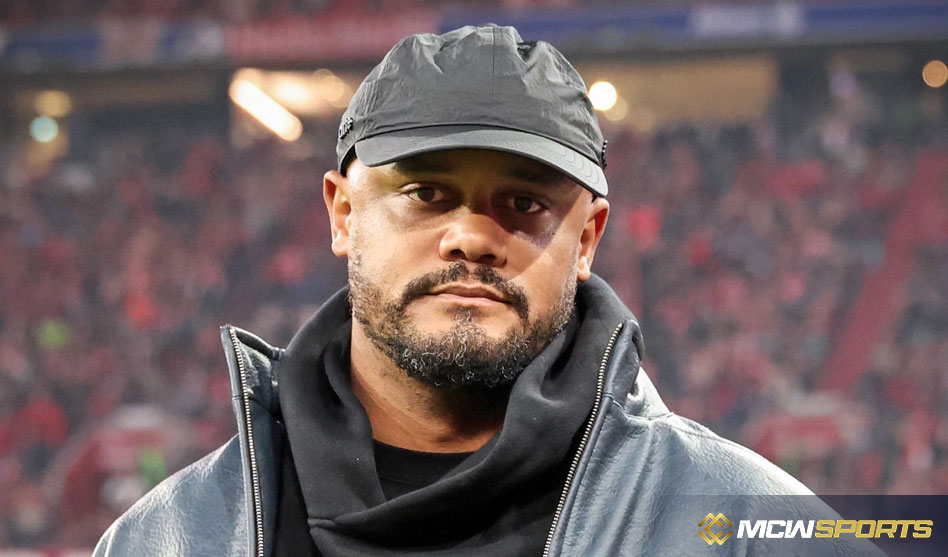
Bayern Munich faces internal administrative measures following a volatile Champions League fixture that exposed underlying discipline issues within the squad. Head coach Vincent Kompany and senior leadership address the fallout from a costly red card that disrupted the team’s European campaign and triggered immediate institutional reactions.
After squandering a lead, the German record champions lost crucial points on the continent. Bayern was poised to win after overcoming a two-goal halftime deficit in Norway thanks to captain Harry Kane’s brace and Luis Díaz’s clinical strike. However, winger Michael Olise’s second yellow card for throwing the ball into an opponent’s face changed the momentum. The dismissal left the visitors with ten men, allowing the hosts to equalize late and forcing a frustrating draw.
Internal fines and disciplinary protocols are considered by French international clubs. Management emphasizes accountability at all levels, especially in high-stakes international competition with razor-thin tactical margins. Administrative responses ensure individual actions match aggregate discipline needed to win elite silverware.
Coach Vincent Kompany denies opposition provocation in a post-match media interview. The tactical leader says individual composure determines team success, and the dismissal hurts 90-minute efforts. Kompany advises elite athletes to stay calm during European campaigns due to physical and mental demands. Captain Harry Kane says numerical disadvantages change match dynamics and require emotional regulation from all players.
The disciplinary review increases sporting pressures as the club prepares for a busy schedule. Bayern plays RB Leipzig at home before hosting Arsenal in a crucial European match. Leadership enforces strict behavioral standards, so squad depth and tactical discipline determine the team’s domestic and continental momentum.
From a tactical perspective, the European stumble shows game management weaknesses when leading late. Although Kompany’s attacking framework creates high-value scoring opportunities, as shown by Kane and Díaz’s clinical finishing, defensive transition phases require complete focus. Maintaining defensive blocks with ten men exhausts outfielders, reducing pressing efficiency and exposing central midfield gaps.
Sporting directors and coaching staff utilize review sessions to dissect the sequence of events leading up to the disciplinary infraction. Video analysis focuses on recognizing emotional triggers and managing high-stress scenarios during hostile away fixtures. Establishing rigorous internal standards protects the team’s competitive standing, ensuring that avoidable errors do not derail championship aspirations in the Bundesliga and the UEFA Champions League.
As preparations intensify for the upcoming fixture block, player accountability remains the primary talking point within the Säbener Straße headquarters. The collective response from the playing staff determines how effectively the squad internalizes these lessons. With crucial domestic battles and high-profile European nights on the horizon, Bayern Munich aims to channel this competitive friction into renewed focus, defensive solidity, and unwavering discipline on the pitch.
The temporary bump in European play does not diminish Bayern Munich’s overwhelming underlying strength. Under Vincent Kompany, the Bavarian giants have demonstrated extraordinary tactical versatility, relentless attacking power, and an elite champion mentality that positions them firmly among the primary contenders for domestic and European honors.
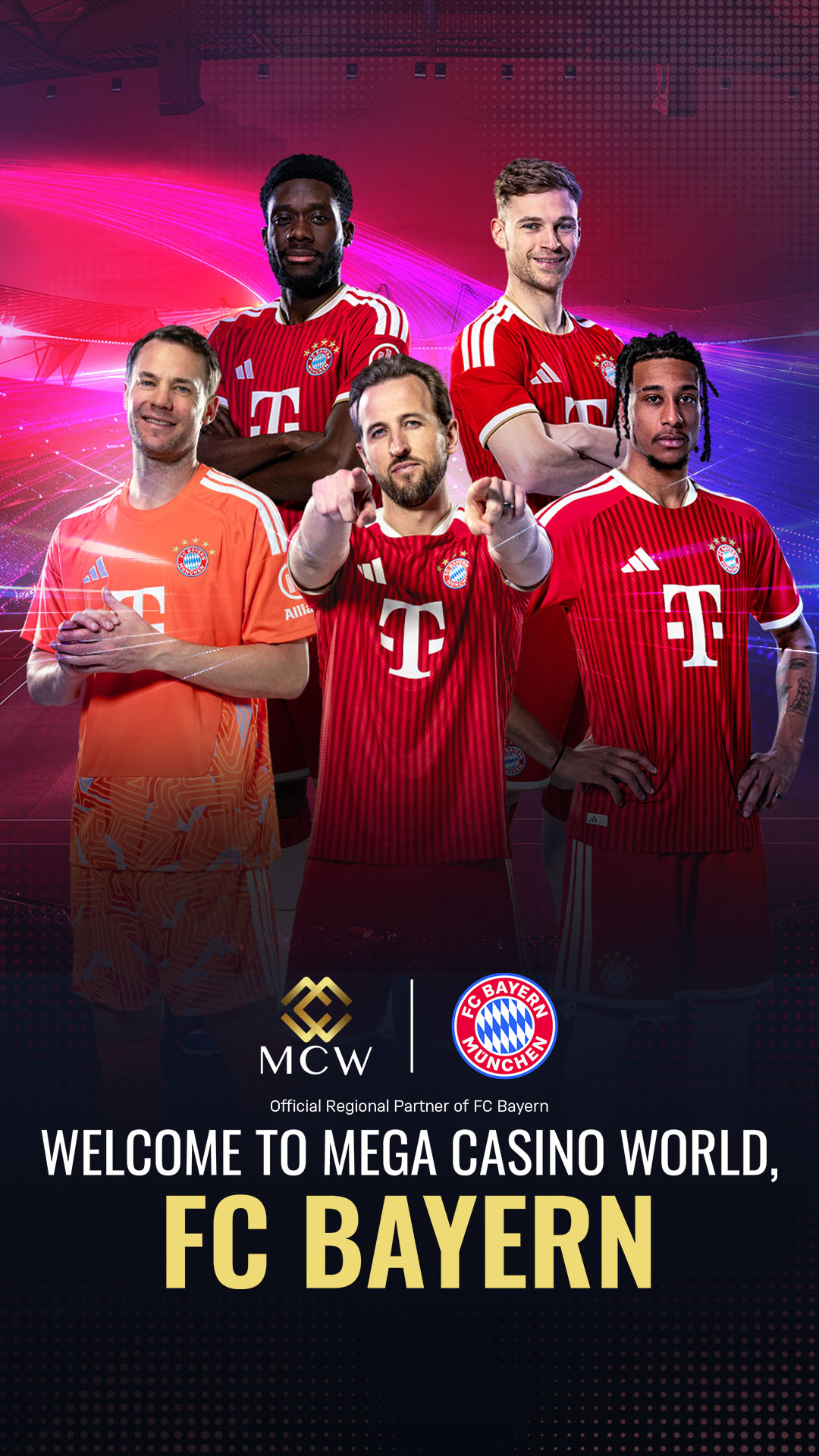
Bayern’s world-class attack continues to operate at a historic standard. Harry Kane remains a prolific focal point on the pitch, extending a remarkable personal scoring record while providing pivotal leadership. The addition of Luis Díaz has infused dynamic goalscoring threat on the flank, giving Kompany a fluid, productive front line capable of tearing down any defensive structure. Furthermore, Michael Olise has shown brilliant form, generating multi-goal outings and playmaking magic that make Bayern’s offensive transition phases virtually unstoppable when firing on all cylinders.
Beyond individual stardom, Kompany’s strategic foundation has revitalized the squad’s tactical balance and resilience. The squad’s high-intensity pressing system consistently smothers opponents, allowing Bayern to dominate possession and dictating tempo in elite matches. Their recent emphatic 6–1 masterclass against RB Leipzig in the Bundesliga served as a powerful reminder of how dangerous Die Roten are when channeled with focus and sharp tactical discipline.
Rather than weakening their campaign, internal administrative reviews and post-match reflections serve as necessary recalibration tools for elite organizations. Kompany’s decisive leadership and Kane’s vocal accountability ensure that moments of adversity are quickly transformed into sharper composure on the pitch. With world class depth, unmatched championship experience, and an energetic tactical philosophy, Bayern Munich possesses every asset necessary to turn European setbacks into motivation, set standards for disciplined excellence, and mount a dominant campaign across all trophy fronts.