English


The NBA trade deadline for the year 2025 has come and gone, and remarkably, there was very little drama surrounding it. After weeks of rampant speculation about significant figures like Giannis Antetokounmpo and Anthony Davis, no substantial agreements came to fruition. This development is a clear indication that a large number of teams are choosing stability over upheaval as the season enters its most critical period.
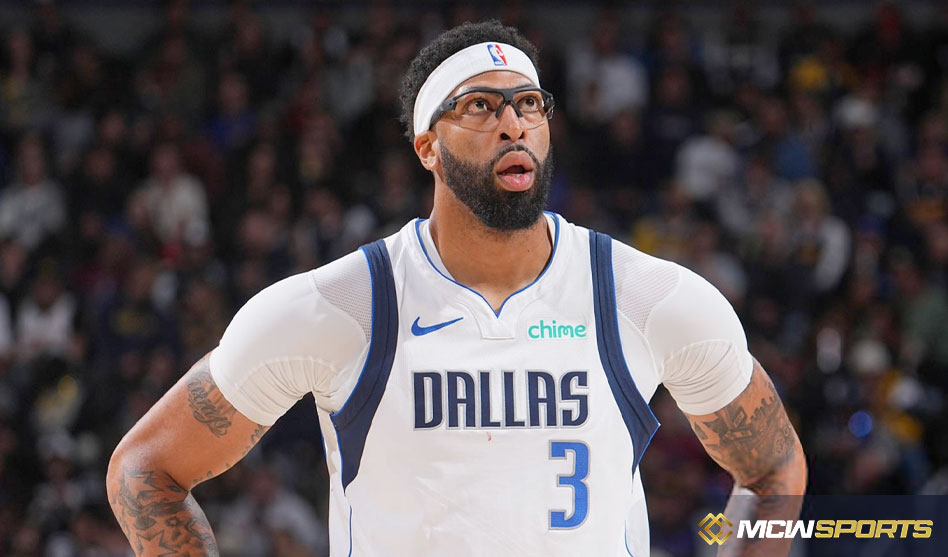
The stillness that occurs during the deadline is a strong statement in the case of Davis. He continues to stay with the team that he is now on, and it is probable that any expectations of a blockbuster deal have been put on hold, at least for the time being. It seems that the combination of the length of his contract, the history of his injuries, and the unwillingness of competing teams to make changes to their rosters in the middle of the season has all been significant factors in determining the final result. In lieu of risking chemistry or making significant financial commitments, the front offices appeared satisfied with maintaining the status quo.
In the meantime, Giannis has also remained in the same place. As the clock continued to wind down, the rumors that connected him to prospective trade situations or negotiations regarding signing and trading began to subside. The high price of adding a max-contract superstar in the middle of a campaign, in addition to the danger of throwing off the balance of established rotations, was too much of a challenge for teams striving to be competitive. As a consequence of this, Giannis will spend the remainder of the season playing for his current team, allowing the front staff to take their time and reassess during the offseason as opposed to being pressured into making a hasty choice.
The calm and peaceful deadline conveys a more expansive message concerning the league’s present situation, which goes beyond the names of the stars. In comparison to previous years, teams seem to be taking a more conservative approach. Rather than taking risks in the middle of the season, teams are focusing on matters such as injuries, financial flexibility, long-term planning, and readiness for the playoffs. A significant number of front offices appear to favor maintaining the status quo—that is, retaining essential components and steering clear of volatility—over taking the chance on a huge move that may potentially go wrong. In a great number of situations, the benefits that may be gained in the short term by making changes to lineups were overshadowed by the importance of maintaining consistency and team harmony.
The outcome is mixed for those players whose names were floated. On the one hand, avoiding a mid-season deal spares them from upheaval and gives them stability over the balance of the campaign. On the other hand, in certain situations, it may be an indication of a lack of faith in the market or of worries regarding one’s suitability for the position, health, or the financial burden that it would entail. Particularly for veterans, the passage of the deadline could also imply that there are fewer opportunities to join a contender in the current season.
It is possible that fans and pundits who were anticipating earth-shattering transactions would be let down. On the other hand, the lack of activity at the trade deadline suggests a subtle shift in emphasis: teams seem to be paying greater attention to matters of financial restraint, long-term competitiveness, and season-long coherence rather than taking a gamble in December. As the regular season continues, it is possible that steadiness may yield dividends, provided that execution and health remain on track.
For the time being, the reality of the situation past the deadline is straightforward: Davis remains in his current position, Giannis remains with his team, and the rest of the league continues on with the rosters that they are familiar with. The decision to remain in the same position will be proven to be a wise one if teams are able to finish the season successfully and if those who continue to follow their original plan are able to reap the benefits of not being disrupted during the middle of the season.