English


The start of the 2026-27 National Basketball Association season ushered in a monumental period of transformation across the league. Fans eagerly welcomed back regular season action as top contenders delivered early statements on opening night. Broadcasters unveiled expanded national coverage, setting an energetic tone for the 81st regular season in league history.
Opening night featured a high-profile tripleheader that highlighted dramatic roster shifts and evolving conference rivalries. The afternoon began in Detroit, where the Boston Celtics visited the Detroit Pistons at Little Caesars Arena. Both teams entered the matchup focused on establishing early rhythm. Boston controlled key stretches of execution, relying on disciplined perimeter spacing and sharp ball movement to earn a rugged road victory.
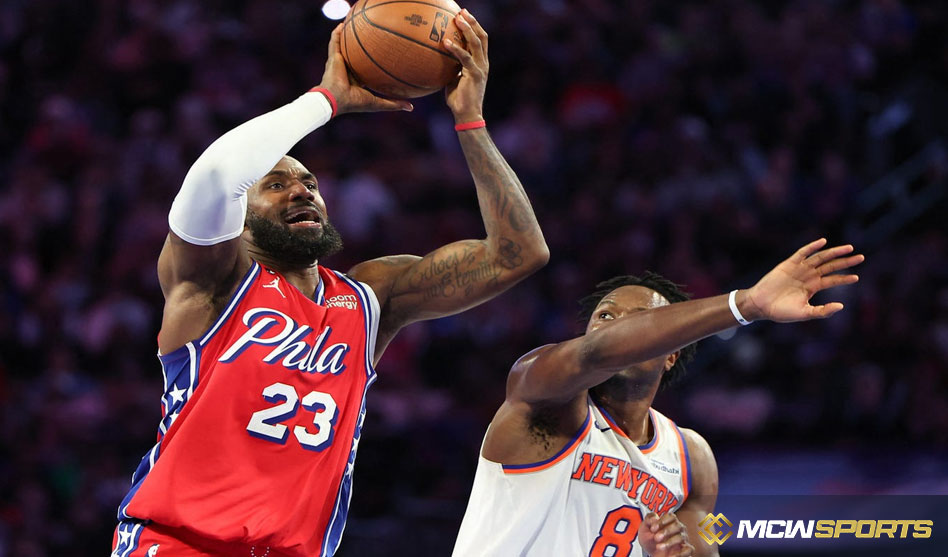
Action shifted to Madison Square Garden for a fiery Eastern Conference clash between the Philadelphia 76ers and the New York Knicks. New York entered the season following a historic championship run, carrying immense expectation from the home crowd. Philadelphia displayed notable poise throughout four physical quarters, executing crucial offensive possessions down the stretch to pull away late. The victory provided an immediate confidence boost for a revamped Philadelphia roster built for deep playoff contention.
The opening slate concluded in San Antonio with a Western Conference Finals rematch between the Oklahoma City Thunder and the San Antonio Spurs. The home crowd inside Frost Bank Center watched two young powerhouses battle through dynamic tactical adjustments. Oklahoma City relied on rapid transition play and relentless perimeter defense. San Antonio countered with interior dominance, using disciplined rim protection to anchor their half-court schemes. The high-powered contest signaled that the Western Conference race will remain fiercely competitive throughout the winter months.
Subsequent matchups across opening week reinforced the narrative of systemic change throughout the league. High-profile roster realignments during the offseason created intriguing tactical dynamics for top franchises. The Los Angeles Lakers initiated a distinct tactical era centered around Luka Doncic, securing an impressive victory over the Golden State Warriors in their home opener. Meanwhile, veteran stars adjusted to fresh roles across new environments, elevating tactical flexibility for several playoff hopefuls.
Competitive intensity escalated quickly as the inaugural games of the Emirates NBA Cup group play got underway. Early group stage fixtures produced dramatic outcomes, including significant second-half comeback efforts and high score showdowns. Teams prioritized early-season group matches with heightened urgency, knowing that early point differentials and head-to-head tiebreakers carry substantial weight in securing knockout phase berths.
Coaching staffs across the league face immediate structural challenges as they integrate new additions into complex schemes. Early rotations reflect a clear balance between managing veteran workload and developing young bench talent. Defensive discipline remains a focal point, particularly as teams adapt to officials calling perimeter contacts with increased strictness. Front offices will closely monitor these initial performance trends before making roster adjustments ahead of winter trade deadlines.
The initial stretch of regular season action confirmed that competitive balance across both conferences has reached an impressive level. Star players have delivered remarkable individual performances, while emerging talents continue to carve out vital roles in rotation systems. With early rivalry games establishing high stakes and tournament play accelerating the pace of competition, the 2026-27 NBA season is positioned to deliver sustained narrative drama and elite athletic performance through the spring.
Opening week game scheme tactical evolution shows how quickly teams are changing their operational blueprints on the court. Backcourt defenders must navigate relentless screen actions as half-court execution has increased in pick-and-roll volume. Teams with clean point-of-attack blitzes forced early turnovers and turned live-ball steals into efficienct transition opportunities.
Interior defense was crucial in key second-half stretches. Frontcourts with disciplined drop coverage limited drive and kick options, limiting secondary perimeter passes and forcing low-percentage mid-range pull-ups in tight contests. However, teams that struggled to secure defensive rebounds gave up second chance points, allowing opponents to sustain long offensive possessions and erode late-game leads.
Baseline rotations are still heavily stressed by spacing concepts offensively. Elevating target five-out schemes removed rim protectors from the paint, giving dynamic wings downhill driving lanes. This perimeter gravity and rapid ball reversals created wide-open corner three-pointers and early shot clock momentum.
In tight fourth-quarter situations, execution determined early season winners and losers. Successful late-clock sets isolated playmakers in isolation clears and pinched corner defenders with weak-side cutters. Before midseason tournaments, coaching staffs will refine tactical adjustments to improve execution efficiency as early performance analytics are collected.