English


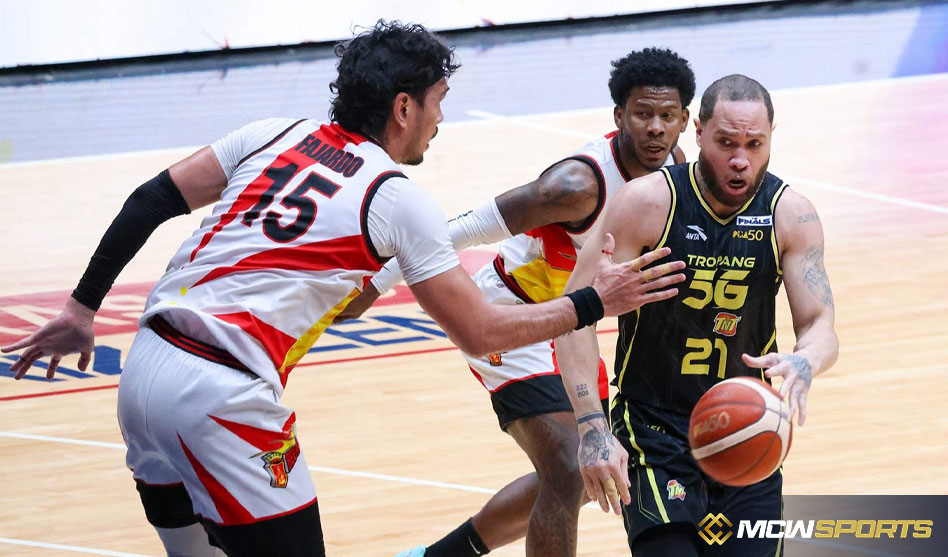
Stanley Pringle is facing another important stage in his basketball journey after undergoing his fourth knee surgery, with the veteran guard placing renewed importance on his physical condition as he looks toward the future.
Pringle has earned a reputation as one of the Philippine Basketball Association’s (PBA) most explosive guards, using his speed, scoring instincts and playmaking ability to challenge opposing defenses. However, repeated knee problems have created obstacles for the experienced playmaker, forcing him to deal with another period away from the court.
At this stage of his career, staying healthy has become a major consideration. Rather than concentrating exclusively on getting back into competition, Pringle is focused on giving his body the opportunity to recover and finding ways to manage the demands of professional basketball.
His latest operation marks another significant moment for a player whose career has featured plenty of exciting performances but has also required him to confront recurring physical setbacks.
For Pringle, the challenge now involves approaching rehabilitation with patience and making his long-term well-being a priority.
Repeated setbacks test a veteran’s resilience
Knee problems can be particularly disruptive for basketball players because the sport places constant demands on lower-body strength, balance and mobility.
Guards must be able to change direction quickly, accelerate past defenders, stop suddenly and maintain control while navigating traffic around the basket. Any difficulty with these movements can affect a player’s effectiveness on both ends of the floor.
Pringle’s fourth knee surgery highlights the complicated relationship between recovery and the physical demands of the game.
An operation is only one part of the process. Rehabilitation is essential for restoring the strength, stability and movement needed to withstand the intensity of professional competition.
The duration and requirements of recovery depend on the specific condition being treated and the procedure performed. Athletes also respond differently to treatment, making individual medical assessments crucial in determining their readiness to return.
For Pringle, the latest procedure creates another opportunity to concentrate on rebuilding his physical condition before considering the next step in his career.
The qualities that made Pringle a standout guard
During his PBA career, Pringle has been recognized for his ability to manufacture scoring opportunities through quick first steps, creative ball handling and confidence in attacking defenders.
His offensive versatility has allowed him to create opportunities independently while also opening up the floor for teammates.
These strengths depend heavily on physical readiness. Explosive movements and rapid changes of direction require a player to trust his body, particularly when attempting to beat defenders or finish plays near the basket.
Coming back from another knee operation could therefore require a gradual rebuilding of both conditioning and movement confidence.
Pringle’s experience gives him years of familiarity with the demands of professional basketball, but returning after surgery requires a different kind of discipline. Progress must be measured against his recovery rather than the expectations surrounding a possible comeback.
The goal is to establish the physical foundation necessary for basketball activities without placing excessive strain on the recovering knee.
Recovery requires more than determination
The desire to return to competition can be strong for athletes who have spent much of their lives playing the sport. Being sidelined can mean missing games, training sessions and opportunities to contribute to a team’s campaign.
Nevertheless, motivation alone cannot determine when a player is ready to resume full activity.
A recovery plan may involve progressive strengthening, mobility exercises and assessments of how the affected knee responds to increasing workloads. The specific program depends on the procedure and the advice of the medical professionals overseeing treatment.
For an athlete who has undergone several operations, monitoring recovery is particularly important.
Pringle’s focus on maintaining his health reflects the need to consider not only the next game but also the possibility of sustaining a longer playing career.
An early return would mean little if the player were unable to maintain his condition. A carefully managed rehabilitation process offers a more measured way to assess his readiness for the sport’s physical demands.
No reliable timetable for his return can be established without confirmed medical information about the latest surgery and his recovery progress.
Looking beyond the next comeback
Pringle’s latest health challenge comes at a point when experience and physical management are both important considerations for a veteran professional.
His history as a dynamic scorer remains part of his basketball legacy, but the next phase of his journey will depend on how effectively he responds to treatment and adapts to his body’s needs.
For players dealing with recurring injuries, preserving physical condition can require changes in training routines, workload and recovery habits. The objective is to remain competitive while avoiding unnecessary risks.
Pringle’s situation also serves as a reminder that an athlete’s contribution cannot be measured solely by performances on the court. The effort required to recover, rebuild strength and manage repeated setbacks is another demanding part of a professional career.
For now, his fourth knee surgery places the emphasis firmly on recovery and health management.
The road ahead will depend on medical guidance and his progress through rehabilitation. Whatever comes next, prioritizing his physical well-being gives Pringle the opportunity to make informed decisions about his future in basketball.
After years of competing at the highest level of Philippine basketball, his next challenge is finding a way to move forward with his health at the center of the plan.