English


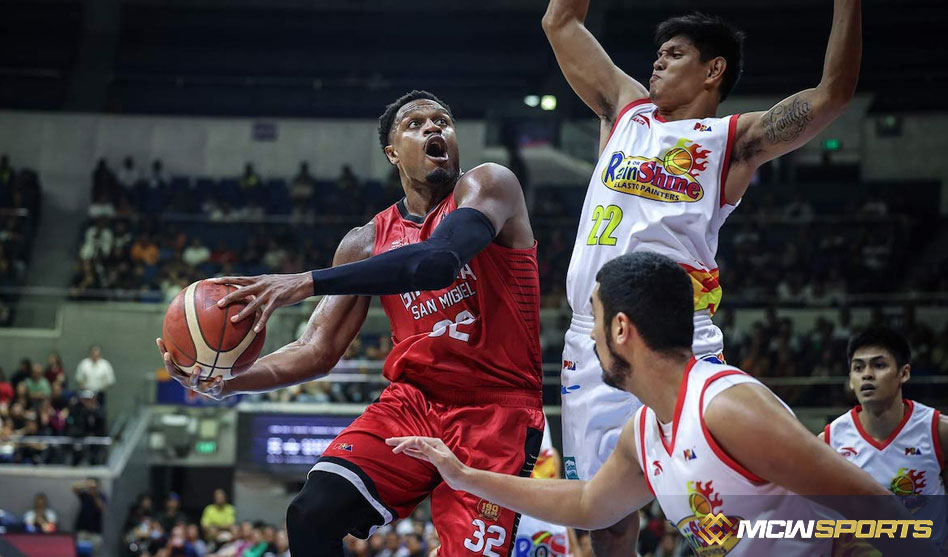
Barangay Ginebra San Miguel is dealing with an unexpected concern involving its star import Justin Brownlee, with head coach Tim Cone explaining that the player’s recent layoff stems from heart-related problems and high blood pressure rather than physical injuries.
The clarification changes the conversation surrounding Brownlee’s absence, particularly for Ginebra supporters accustomed to seeing the veteran import lead the team through demanding stretches of the Philippine Basketball Association (PBA) season.
Brownlee has become synonymous with the Gin Kings’ success, serving as a key contributor in their pursuit of championships. His scoring, playmaking and ability to deliver under pressure have made him one of the franchise’s most dependable performers.
However, Cone’s explanation indicates that Brownlee’s current situation involves medical concerns that cannot be treated like an ordinary basketball injury.
The distinction is important because heart-related issues and elevated blood pressure require careful medical assessment, especially for an athlete expected to perform at the highest level of physical intensity.
For Ginebra, the immediate concern is not simply determining when Brownlee can return to the lineup. It is ensuring that his condition receives proper attention before he resumes the demands of professional competition.
Medical concerns take center stage
Basketball players routinely deal with injuries that can interrupt their seasons, but health problems involving the cardiovascular system present a different set of considerations.
A player recovering from a typical physical injury may be able to follow a rehabilitation program with identifiable milestones. Cardiovascular concerns, on the other hand, may require further testing, monitoring and medical clearance before strenuous activity can safely resume.
High blood pressure places additional strain on the cardiovascular system. Although physical activity can benefit overall health, professional basketball involves repeated bursts of intense effort, rapid changes in direction and sustained exertion.
That makes medical supervision particularly important when an athlete experiences potential heart-related problems.
Brownlee’s return will therefore depend on the assessment of qualified healthcare professionals rather than the team’s immediate needs or the expectations of its supporters.
Cone’s remarks also serve as a reminder that an athlete’s absence does not always indicate a problem with muscles, joints or other parts of the body commonly associated with sports injuries.
Until more information becomes available, the circumstances surrounding Brownlee’s condition should be treated with care, without drawing conclusions about the severity of his health problems or the length of his recovery.
Ginebra must adjust without its leading import
Brownlee’s absence presents a substantial basketball challenge for the Gin Kings because of the many responsibilities he handles on the court.
Beyond producing points, the import helps create scoring opportunities, draws defensive attention and gives teammates another option when possessions become difficult. His familiarity with the team’s playing style also allows him to make decisions that support Ginebra’s offensive rhythm.
Losing a player with that combination of skills can force a team to reconsider its approach.
The coaching staff may need to redistribute offensive responsibilities, give other players more opportunities and explore lineup combinations that can maintain the team’s effectiveness.
Ginebra’s local players will be particularly important during this period. Additional contributions in scoring, rebounding and playmaking could help lessen the impact of Brownlee’s absence.
The team may also need to emphasize ball movement and collective execution rather than rely on the individual plays that Brownlee has frequently provided.
Such adjustments will not necessarily reproduce everything the import brings to the lineup, but they could help the Gin Kings remain competitive while his situation is being addressed.
A familiar face whose value goes beyond statistics
Brownlee’s importance to Ginebra is rooted in years of performances that have helped shape the franchise’s modern identity.
His composure in difficult situations and ability to contribute across several aspects of the game have earned him a special place among the team’s supporters.
That history makes his absence especially significant, but it also reinforces why his health must come first.
The desire to see Brownlee back in uniform is understandable, particularly for a team with championship ambitions. Nevertheless, his return should not be rushed simply because Ginebra needs his production.
The organization must work within the guidance provided by his medical team and allow the appropriate process to determine when he can safely resume competitive basketball.
Health remains the biggest priority
Cone’s explanation provides a clearer picture of why Brownlee has been away from action, while leaving important questions about his recovery and potential return unanswered.
For the Gin Kings, the challenge is to remain focused on their campaign without placing unnecessary pressure on their import to return before he is ready.
Ginebra’s championship hopes may be affected by his absence, but the team’s response will depend on how effectively the remaining players share the workload and adapt to a different lineup.
Brownlee has already established a lasting legacy with the franchise. For now, however, basketball must take a back seat to his well-being.
The next step is ensuring that his heart-related concerns and blood pressure receive the necessary medical attention, with any decision about his return based on professional medical advice.
For Ginebra and its supporters, the hope is that Brownlee can address his health concerns properly before considering a return to the demanding world of professional basketball.