English


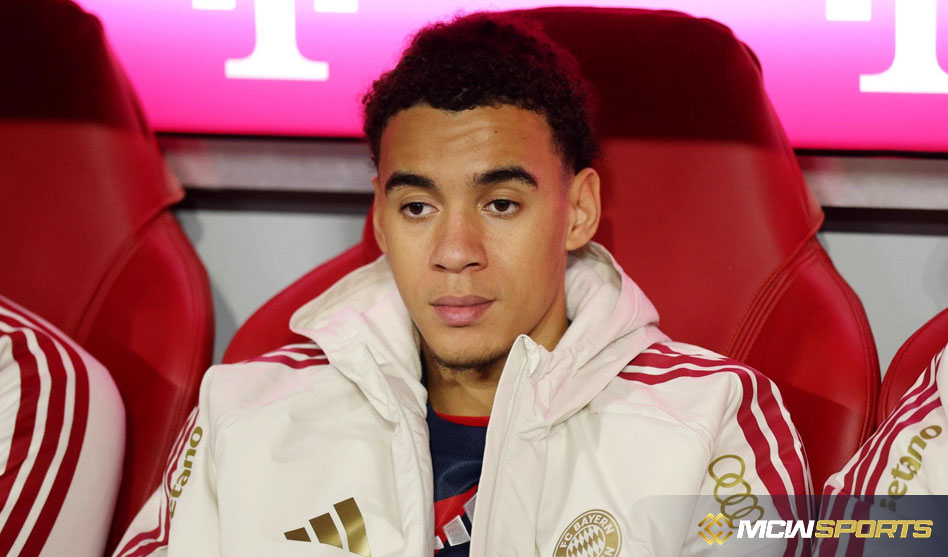
A growing institutional standoff has engulfed FC Bayern Munich after senior club executives publicly raised doubts regarding the massive contract awarded to attacking midfielder Jamal Musiala in light of his ongoing neurological health challenges. The controversy centers on the lucrative extension that the twenty three year old Germany international signed in February 2025, which binds him to the Bavarian powerhouse until June 2030 and places him among the highest earners in European football. While Musiala continues to navigate complex medical treatments aimed at stabilizing his physical condition, pointed public commentary from leading figures inside the club hierarchy has ignited intense debate across the sport over player welfare, corporate responsibility, and contractual integrity.
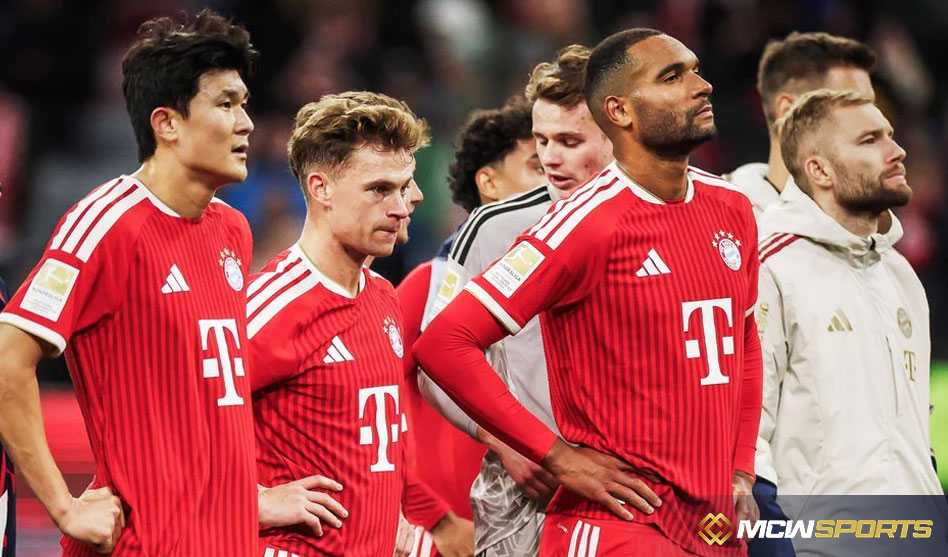
This situation gained widespread momentum following statements made by supervisory board member Karl Heinz Rummenigge, who openly questioned whether the midfielder can realistically recapture his former elite level of performance. Rummenigge characterized the substantial financial commitment attached to Musiala agreement as a pressing concern that club officials must address directly with the player family and representation. His remarks echoed earlier observations from honorary president Uli Hoeneß and chief executive officer Jan Christian Dreesen, creating the impression of a coordinated effort by the Bavarian leadership to apply external pressure toward renegotiating or adjusting the financial structure of the existing employment agreement.
The thing is, financial scrutiny surrounding the contract has been further amplified by revelations detailing a specialized injury and illness protection clause embedded within the deal. Under standard German employment regulations, employers are typically obligated to continue paying full wages for six weeks during periods of employee illness before statutory health insurance assumes responsibility at a significantly lower monthly cap. However, when Bayern Munich finalized Musiala extension prior to its original June 2026 expiration date, the club agreed to guarantee his full salary for up to six consecutive months in the event of prolonged physical incapacitation. That concession now represents a substantial financial liability as the medical department works to determine the appropriate medication regimen to control his neurological dysfunction.
Musiala’s medical struggles first drew widespread alarm during Bayern Munich preseason preparations in August, when he suffered two separate collapses on the pitch during friendly matches against RB Leipzig and FC Heidenheim. Subsequent evaluations identified a neurological condition requiring carefully calibrated pharmaceutical management, a process that has complicated his physical readiness and interrupted his competitive rhythm. Former Germany captain and television pundit Lothar Matthäus recently noted that Musiala representatives only became aware of the underlying illness roughly seven months after signing the extension, underscoring that both parties entered into the February 2025 agreement in complete good faith without prior knowledge of future health complications.
The public airing of contractual doubts by Bayern Munich leadership has provoked swift and forceful condemnation from the global players union FIFPRO. In an official response, the organization emphasized that professional footballers facing medical adversity require institutional protection rather than public scrutiny that compounds psychological stress during recovery. FIFPRO maintained that club executives should address internal financial considerations privately behind closed doors instead of casting doubt on a player’s career prospects in the media, concluding firmly that binding agreements must be respected regardless of unforeseen medical setbacks.
Recognizing the reputational fallout generated by the public discourse, chief executive officer Jan Christian Dreesen attempted to moderate the club stance following the annual general meeting on Saturday. Dreesen stated that the organization remains committed to supporting Musiala as he works back toward peak condition, insisting that the coaching and medical staff have no intention of rushing his rehabilitation. He indicated that club leadership plans to grant the playmaker uninterrupted time to recover before reassessing his sporting trajectory early next year.
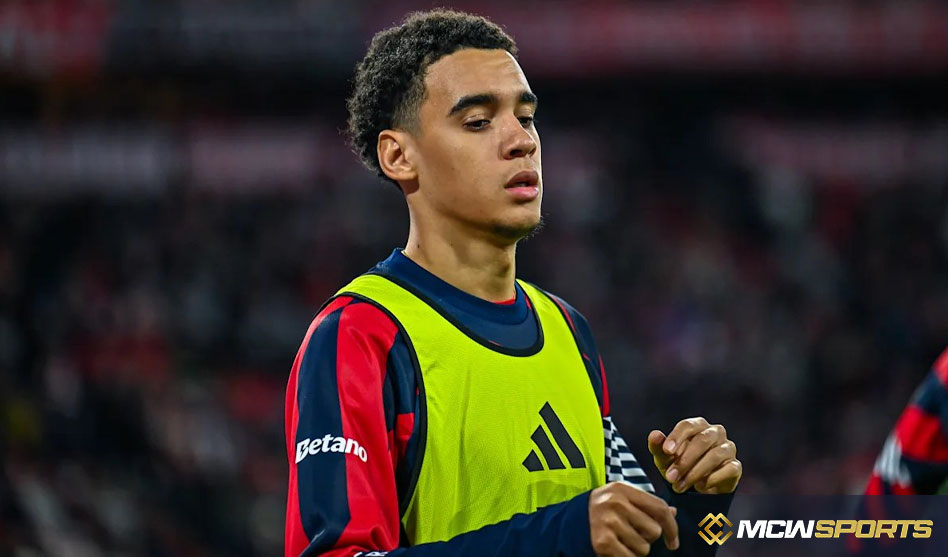
As a 70th-minute substitute in Bayern Munich’s 1–1 Bundesliga draw with 1. FC Köln at the Allianz Arena on Friday, Musiala showed some improvement. In his first competitive game in two months, he played 20 minutes and had one shot on target and completed two of three passes as the league leaders were forced to draw. His return to the matchday squad does not indicate that Munich has resolved its boardroom pragmatism-player rights conflict. How Bayern Munich balances its financial worries with its duty of care to a top homegrown talent will be a major storyline in German football in the coming months.